


Explore Sanxin technical guides →
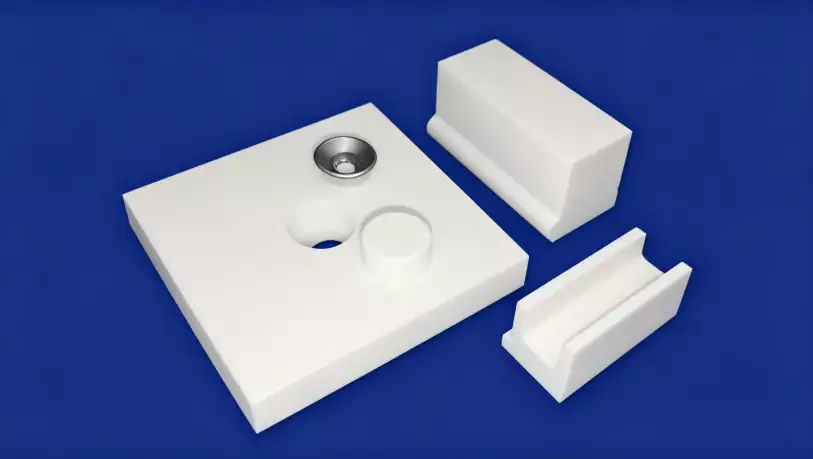
Interpret a ceramic product range as reference information until the supplier explicitly confirms the actual drawing, size and supplied item requested.
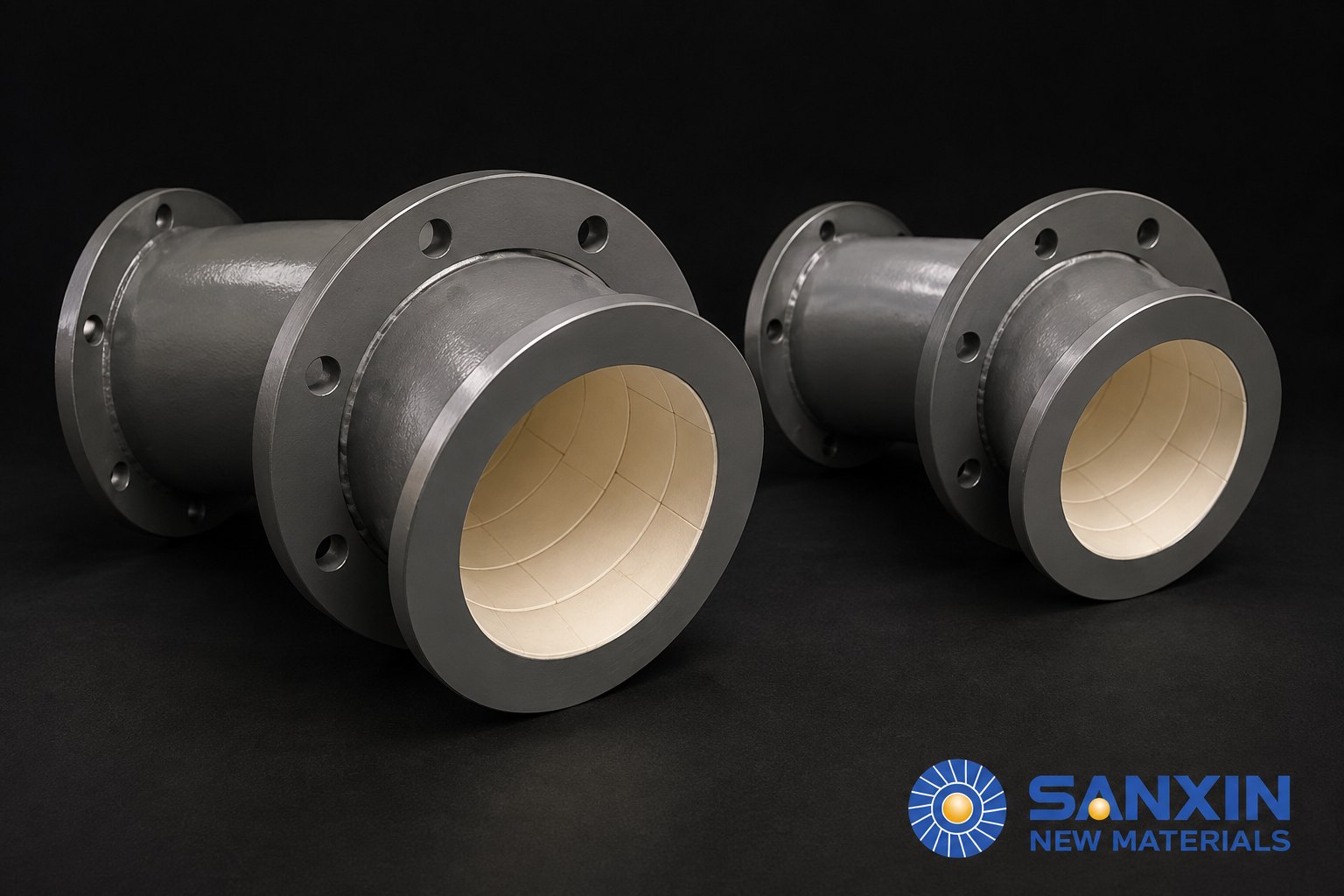
Define where an additional elbow feature is supplied and completed instead of treating a reference image as proof of a finished workshop assembly or approved field addition.
Clarify the named isostatic process in a ceramic production description rather than treating cold forming and hot pressure-assisted processing as interchangeable terms.
Define the actual jet mill lining boundary against equipment-controlled nozzle and classifier features rather than treating a chamber ceramic grade as complete machine acceptance.
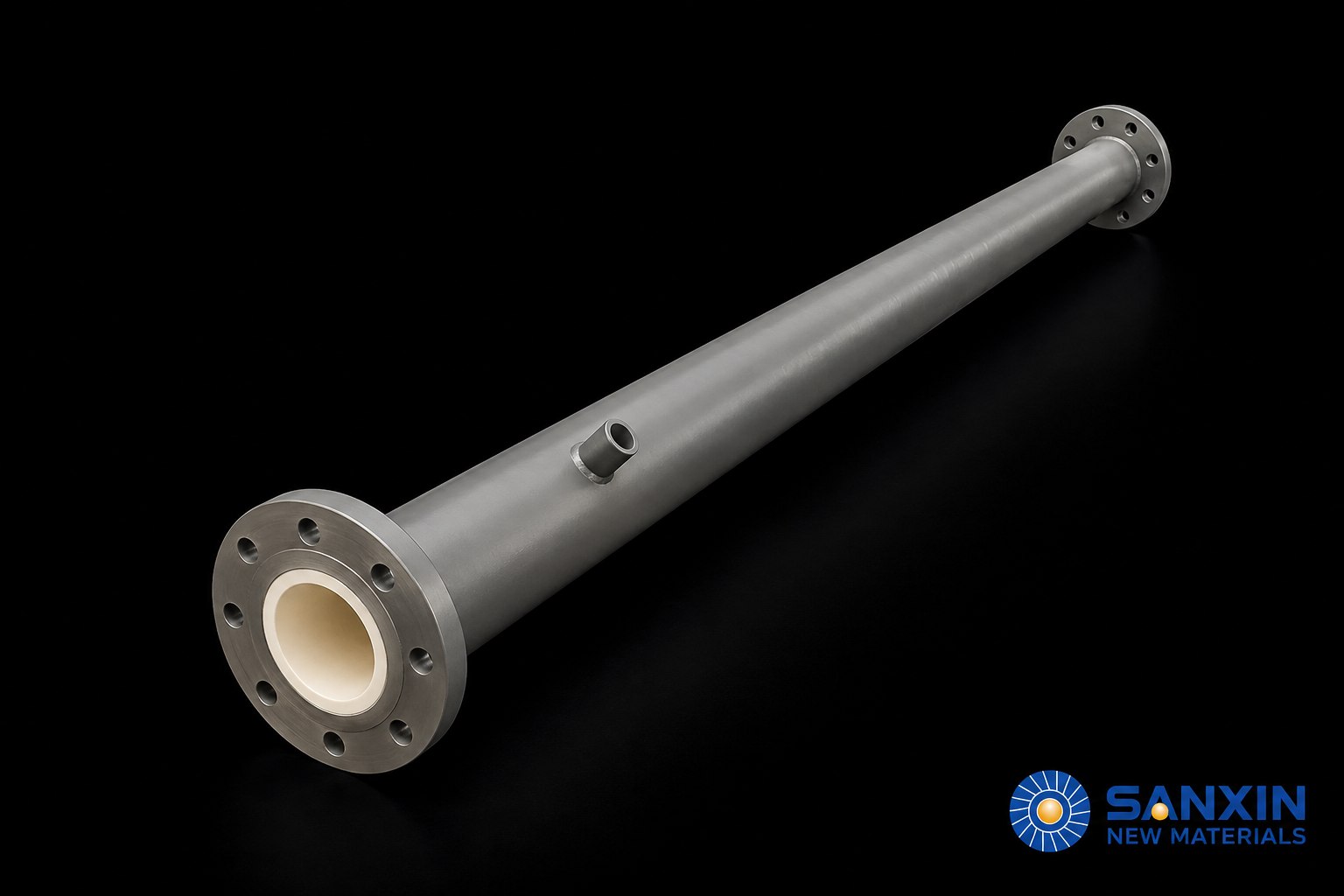
Preserve what each pressure statement describes before using it in a ceramic-lined pipe inquiry, with complete equipment approval retained by the responsible owner.
Clarify whether integrated describes delivery scope, the ceramic body or another assembly relationship before inferring the number or condition of internal boundaries.
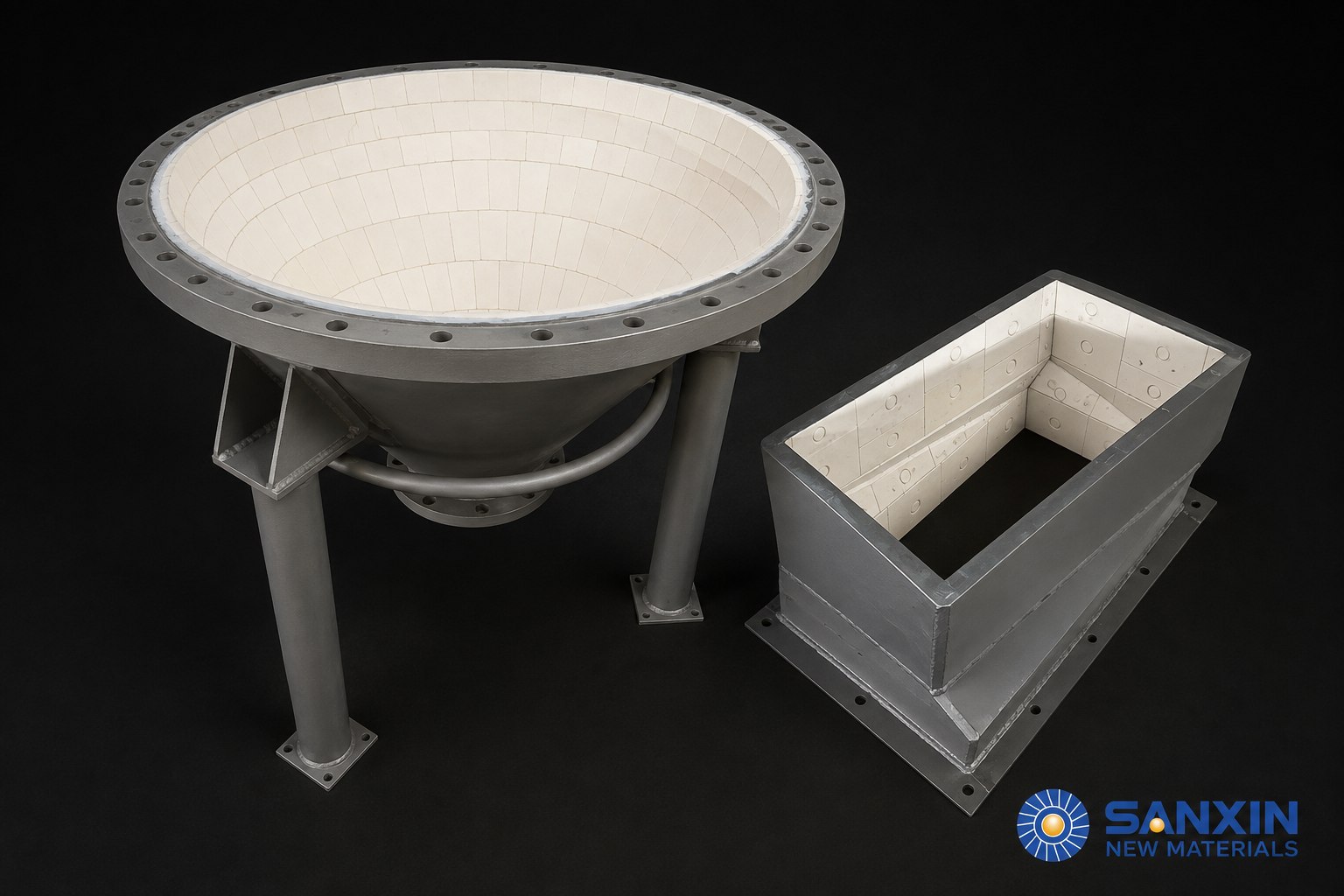
Keep inspection frequency, repeated findings and measured condition progression separate when interpreting a ceramic lining maintenance history.
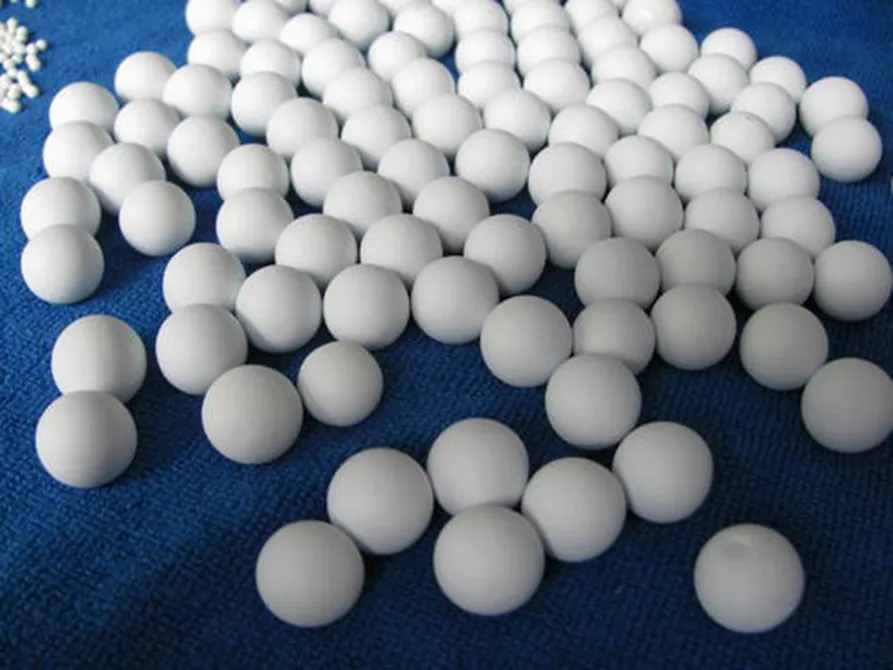
Clarify the condition in which recovered alumina media is weighed before interpreting a wet sample mass as ceramic loss or comparing it with a different preparation state.
Provide the actual proposed brick and complete lining arrangement when a ball-mill substitution changes mass or construction, without treating brick count as complete machine acceptance.
Clarify the duration and construction scope attached to a hot-service product statement instead of copying an isolated temperature into a complete pipe requirement.
Clarify the actual function of a rotary equipment lining before treating an alumina wear-protection proposal as a complete refractory or thermal-system replacement.
Preserve the actual joining-material change in a ceramic pipe maintenance record instead of treating unchanged ceramic tiles as proof that the complete construction is unchanged.
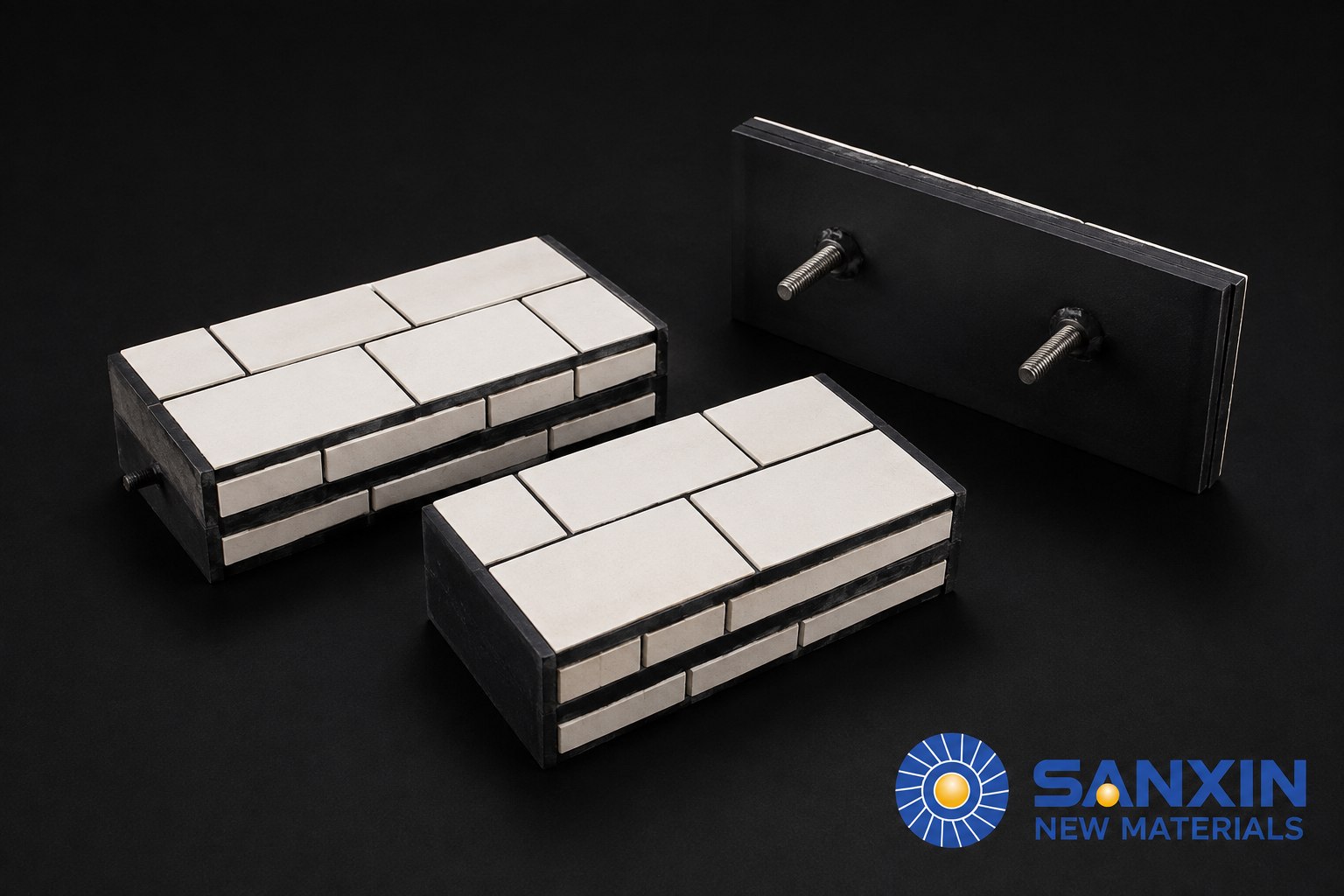
Review a proposed ceramic tile sheet with its actual carrier status identified rather than assuming a mesh or temporary backing is either permanent retention or irrelevant packaging.
Interpret ceramic liner inspections and downstream foreign-material-control observations within their own coverage rather than treating either as universal proof of product cleanliness.
Interpret a grouped wear summary with the actual component positions, observation bases and individual records preserved rather than treating an average as every pipe result.
Use an internal joint photograph to locate a question without assigning an unsupported gap dimension or complete joint acceptance from the image alone.
Clarify whether a pipe proposal concerns discrete ceramic pieces or an identified filled compound rather than treating the shared word ceramic as a complete construction definition.
Keep original internal elbow images with separately identified annotations so interpretation and marked regions do not obscure the underlying condition evidence.
Clarify fastener supply identity and technical selection responsibility in a ceramic elbow offer without treating a generic bolts-included statement as a complete attachment definition.
Keep the actual pulley rotation and belt-contact requirements with a hot-vulcanized lagging proposal instead of interpreting a surface-pattern photograph as complete orientation evidence.
Distinguish a manufacturing atmosphere description from the actual evidence required for finished ceramic contact materials, residues and the supplied assembly.
Preserve the equipment owner electrical and static-control requirements when reviewing a pneumatic pipe wear retrofit, without deriving them from ceramic hardness or shell appearance.
Preserve the reference surface, contact direction and actual specimen arrangement behind an impact-angle statement used in a ceramic rubber panel comparison.
Retain event order, interval definitions and observation timing when interpreting a repeated impact record for ceramic rubber steel panels.

Submit your demand,
we will contact you ASAP.

Sanxin New Materials Co., Ltd. focus on producing and selling ceramic beads and parts such as grinding media, blasting beads, bearing ball, structure part, ceramic wear-resistant liners, Nanoparticles Nano Powder


 English
 English
 Russian
 French
 Spanish
 Portuguese
 Arabic


