


Explore Sanxin technical guides →
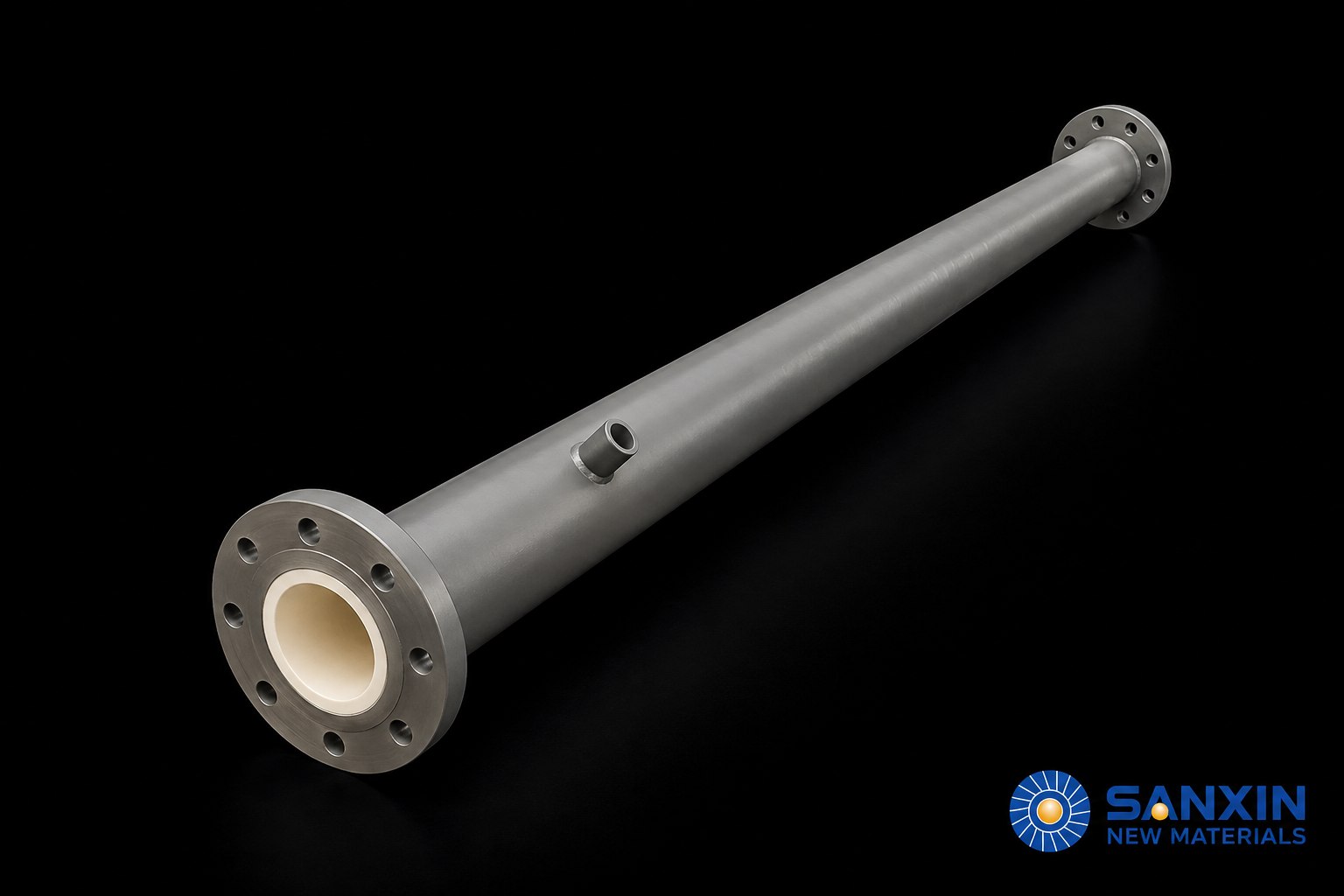
Distinguish a supported ceramic liner insert from a mechanically loaded tube and review end support, fit and assembly responsibilities accordingly.
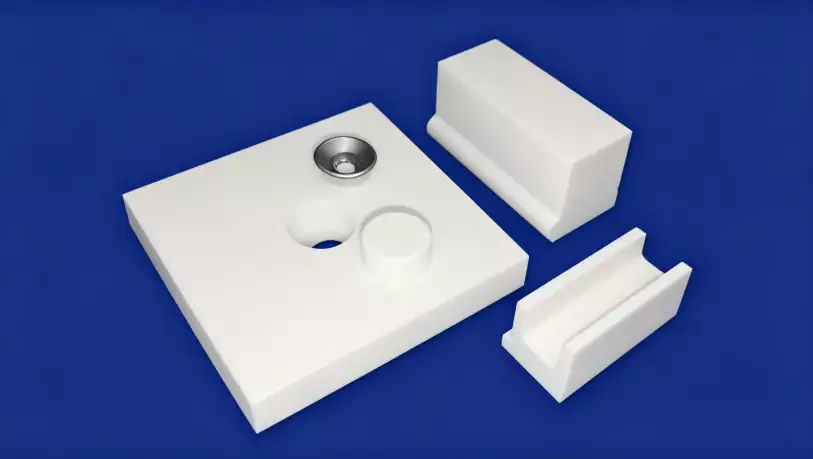
Assess orientation, loading, installation support and inspection access when considering ceramic tiles on equipment walls and overhead regions.
Review ceramic hydrocyclone liner renewal through identified internal profiles, connections, assembly fit and equipment-approved process checks.
Plan lining coverage, spool boundaries and access so a ceramic pipe retrofit can be inspected and renewed across an abrasive transfer route.
Plan ceramic-lined battery powder transfer qualification around product changeovers, retained residues, sampling and complete contact-material compatibility.
Plan a mixed-duty ceramic liner trial that distinguishes sliding wear, fracture and attachment changes instead of reporting one undifferentiated result.
Prepare a desulfurization slurry pipe review by identifying process chemistry, abrasive solids, exposed interfaces and pressure-boundary responsibilities.
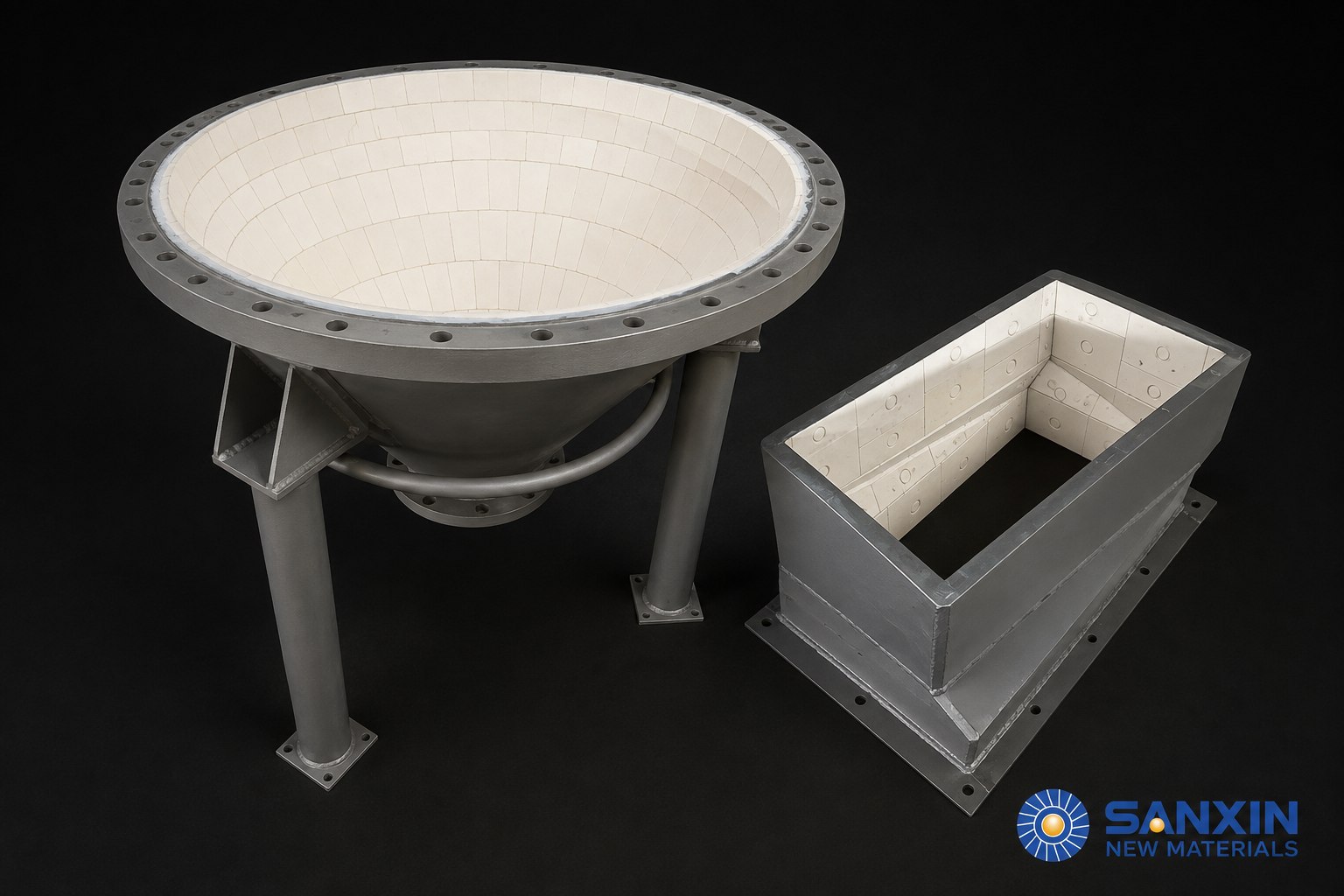
Review any ceramic fan-impeller lining with the equipment owner, including mass distribution, attachment, clearances and approved commissioning checks.
Review ceramic lining proposals around future inspection coverage, accessible references and concealed interfaces before accepting the installed arrangement.
Keep contact materials, drawings and cleaning procedures traceable when replacing ceramic-lined transfer components in a qualified battery-powder route.
Link each requirement in a ceramic liner specification to the observed failure it is intended to prevent and the evidence used for acceptance.
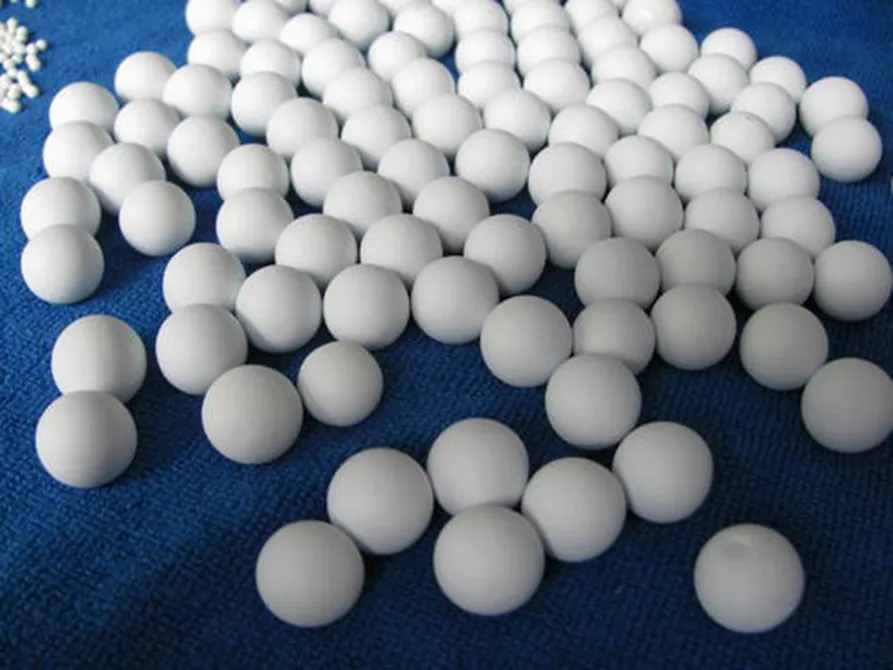
Review media additions, worn sizes, sampling and product results as a ceramic ball charge evolves during a ball-mill campaign.
Review brick courses, closure pieces, support and inspection hold points before installing a ceramic lining within an approved mill geometry.
Identify which operating observations remain useful when reviewing a ceramic lining experience from a different industry or process.
Build a usable first wear survey from equipment identity, damage locations and operating changes before asking for an alumina ceramic liner proposal.
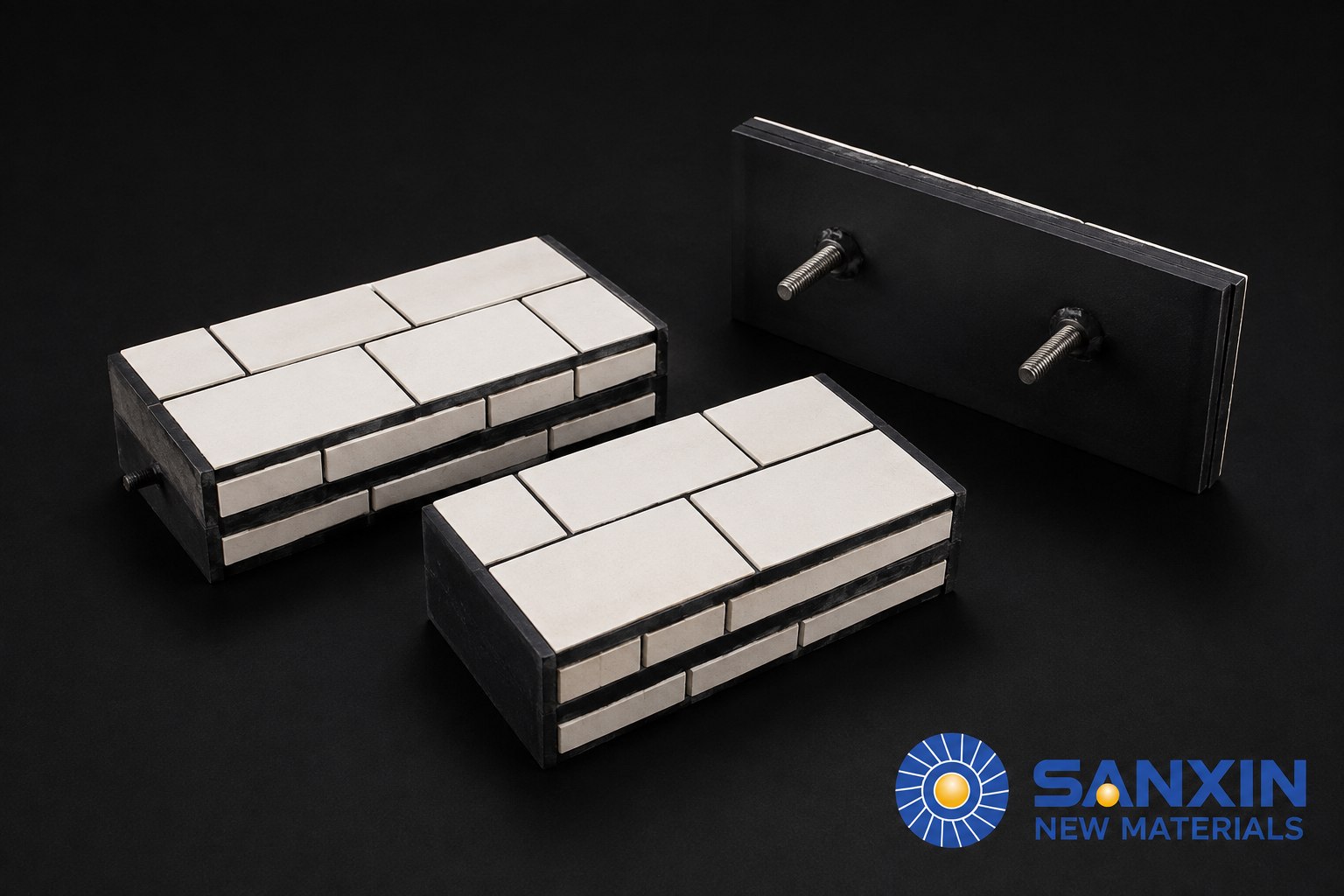
Evaluate ceramic rubber lining for lump handling by recording exceptional contacts, landing location, support and the scope of available impact evidence.
Assess coal powder pipe lifetime comparisons through operating exposure, replacement criteria, complete construction and the limits of historical records.
Review ceramic composite cart lining through loading, travel vibration, discharge, backing limits and equipment-owner approval of the moving assembly.
Clarify whether an alumina ceramic inquiry concerns a supported wear surface or a separate functional part before reviewing geometry and qualification needs.
Review liner thickness, boundaries, material buildup and maintenance access before fitting alumina protection to a bulk material chute.
Prepare a controlled geometry and support brief before discussing custom shaped alumina wear parts for an industrial component.
Define the product requirement, mill operation and acceptance evidence before choosing ceramic grinding media for a new application.
Plan a quartz grinding media trial around incoming material, mill compatibility, particle size requirements and measured product contamination limits.
Compare alumina tile offers through equivalent material evidence, geometry and application conditions instead of unsupported performance rankings.

Submit your demand,
we will contact you ASAP.

Sanxin New Materials Co., Ltd. focus on producing and selling ceramic beads and parts such as grinding media, blasting beads, bearing ball, structure part, ceramic wear-resistant liners, Nanoparticles Nano Powder


 English
 English
 Russian
 French
 Spanish
 Portuguese
 Arabic


