


Explore Sanxin technical guides →
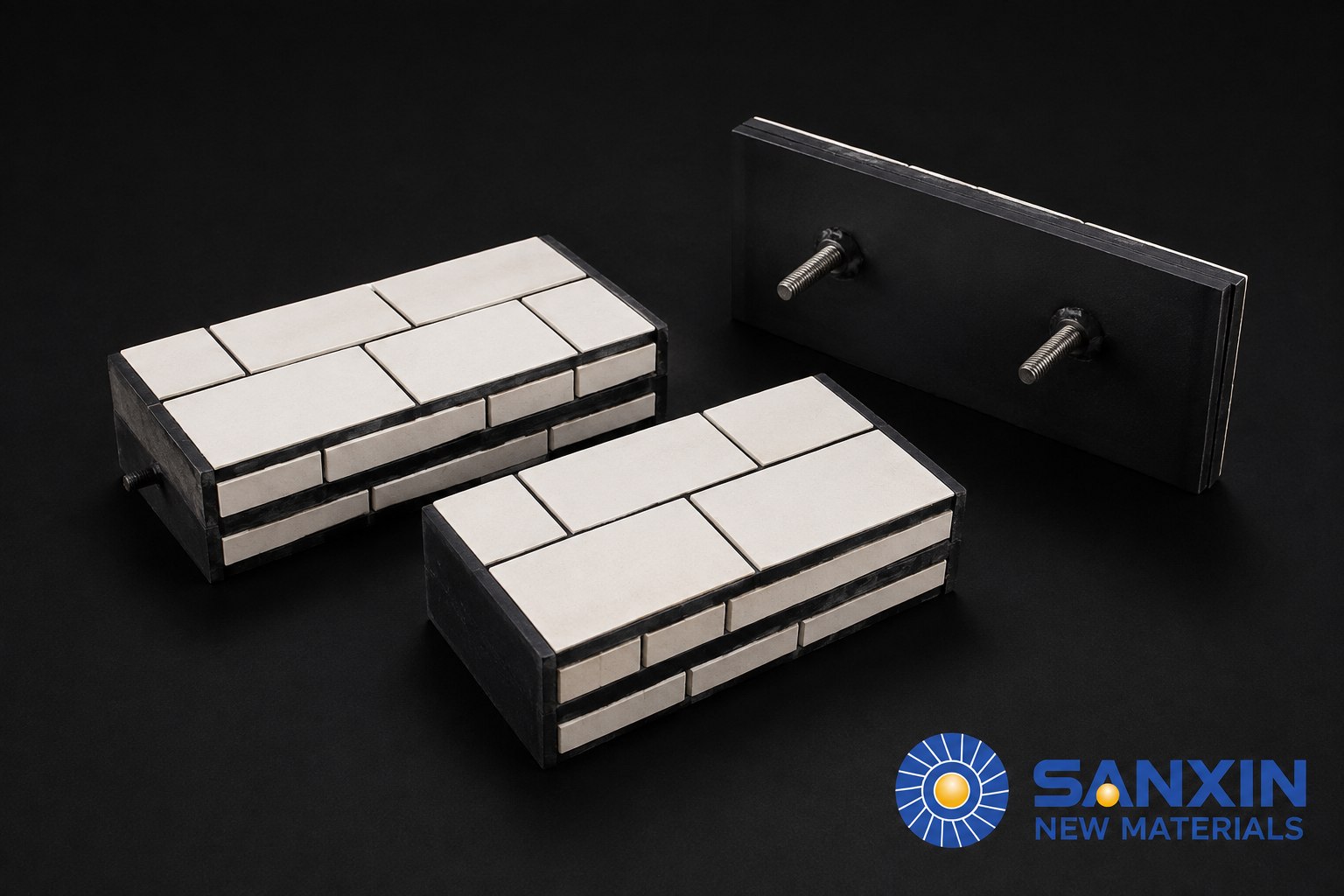
Keep a ceramic lagging contact profile explicitly identified rather than treating smooth and raised-feature images as interchangeable versions of the same offered surface.
Interpret material seen on a magnetic drum using the actual operating stage and equipment function before treating its presence as a ceramic liner deposit or wear result.
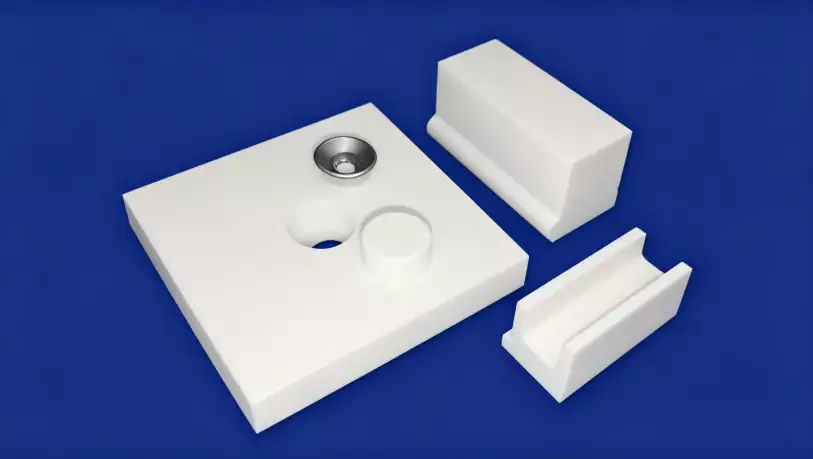
Identify the intended inner and outer face references on tapered ceramic mill brick drawings before comparing dimensions or treating loose pieces as interchangeable.
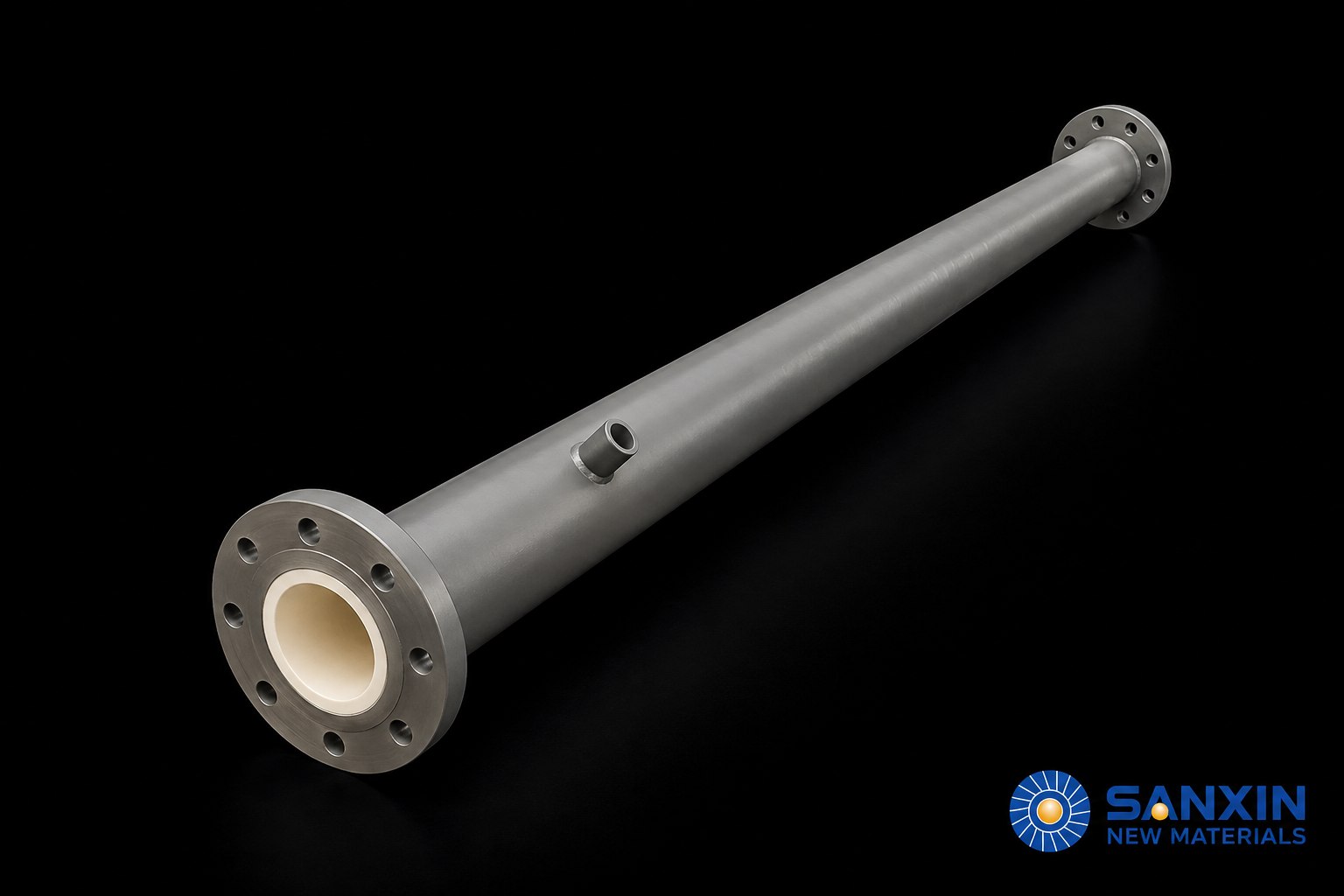
Keep the named reference end and axial direction with pipe inspection positions so repeated ceramic observations refer to the same physical station.
Preserve the distinct stress and extension quantities in rubber tensile reports instead of merging them into one composite liner stretch or impact rating.
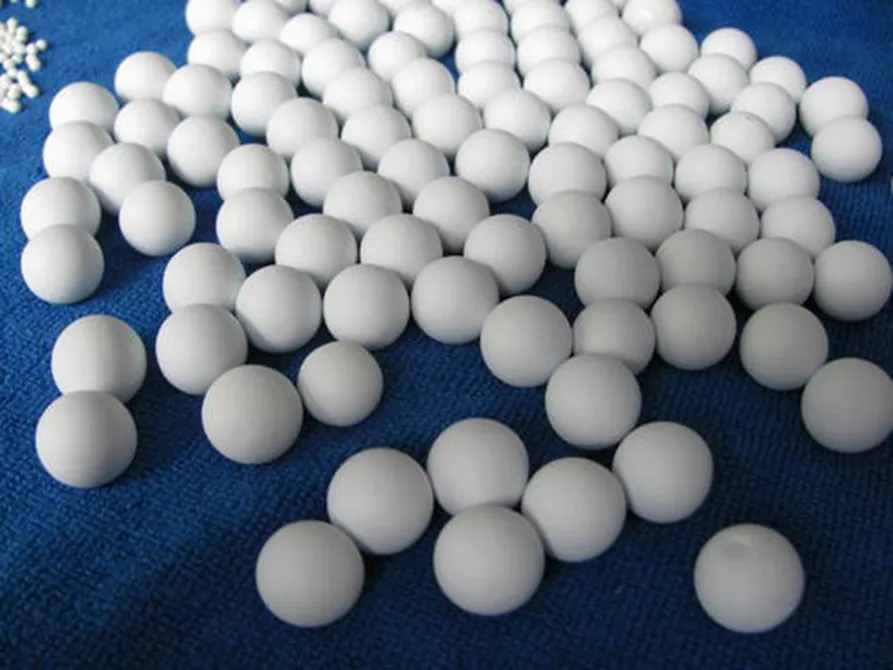
Keep the shape definition and examination coverage with ceramic grinding ball records rather than using a single size reading to establish complete spherical form.
Preserve the different measurement subjects of cement air-permeability fineness and sieve residue when interpreting product outcomes during ceramic media trials.
Identify whether a ceramic strength result concerns compression, bending or another loading mode before applying it to a liner requirement.
Retain the measurement method with cement surface-area results instead of treating Blaine and BET entries as interchangeable trial endpoints.
Preserve the recording and summary basis of pipe pressure histories before treating a displayed trend maximum as the complete exposure history.
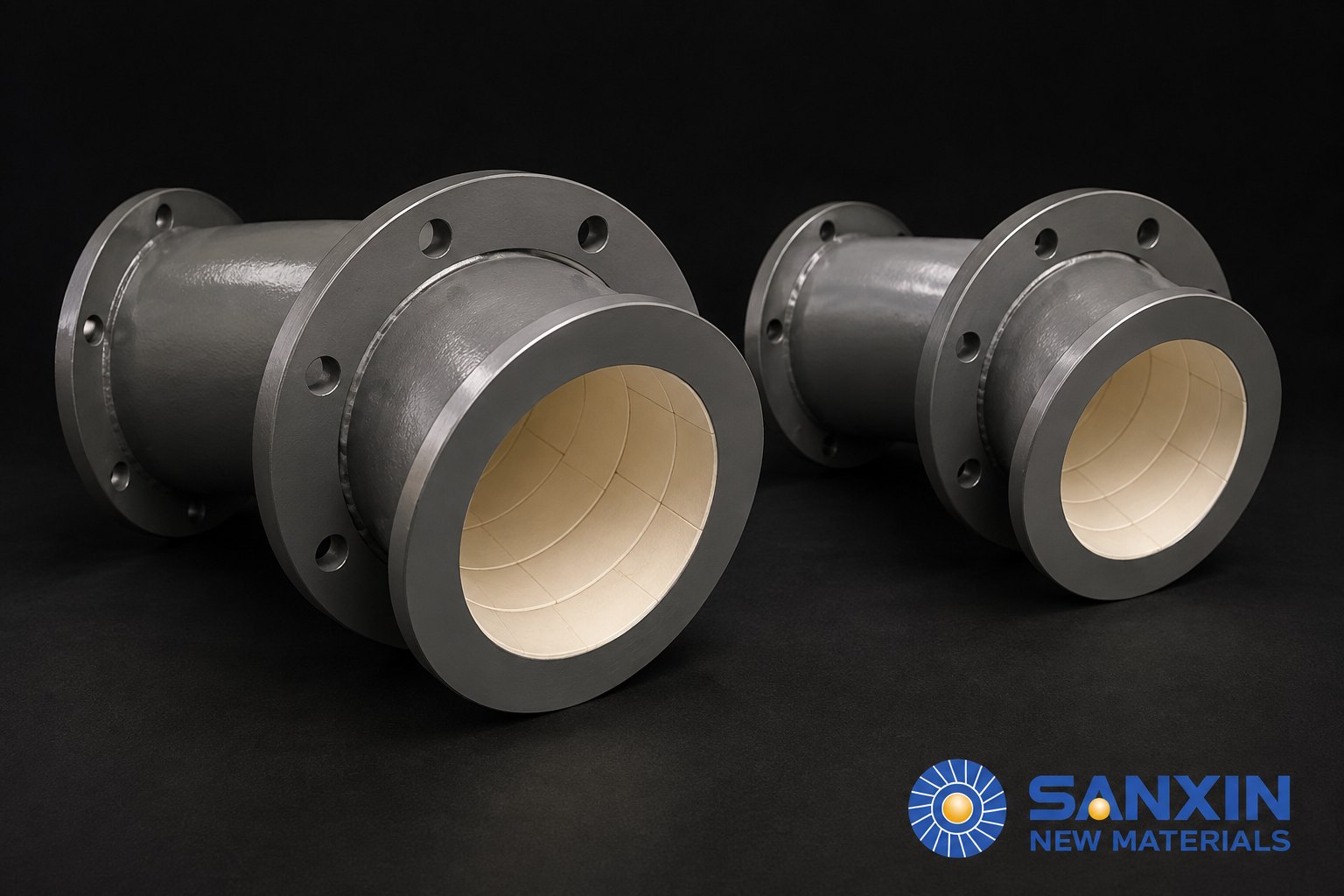
Clarify the welding-symbol convention and actual joint side in ceramic elbow drawings without treating drawing review as a welding procedure.
Map internal ceramic seams from their own construction information rather than assuming they coincide with visible external shell welds.
Keep the actual painted steel faces and exclusions explicit rather than treating a paint description as evidence for every material and hidden interface in a composite liner.
Identify the status of a proposed ceramic prototype before treating its sample observations as release evidence for routine spare deliveries.
Preserve the item and face coverage of a receiving examination instead of extending observations of accessible tiles to an unexamined stack.
Identify forward and return service information for the actual pipe positions instead of assuming a shared powder name establishes the same ceramic lining duty.
Identify the actual wear-lining and sealing components in a coal transfer observation rather than treating every visible condition at the guide chute as ceramic performance evidence.
Clarify the substance, test subject and function behind adsorption, absorption or sorption wording in an alumina product document.
Distinguish measured friction behavior from material wear loss when reviewing ceramic contact evidence for machinery components.
Separate fire behavior, electrical properties and wear protection when reviewing a ceramic rubber panel description and its actual supporting documents.
Describe inspection, cleaning, joint work and actual ceramic renewal separately when recording maintenance on a ceramic mill lining.
Use a flat template for its defined geometric purpose without treating it as proof of the complete installed support and fit of a chute lining.
Keep both elbow mating interfaces identifiable instead of assuming one connection detail defines the complete replacement component.
Preserve missing ceramic evidence as unknown rather than converting blank fields into numerical values that distort a supplier or material comparison.

Submit your demand,
we will contact you ASAP.

Sanxin New Materials Co., Ltd. focus on producing and selling ceramic beads and parts such as grinding media, blasting beads, bearing ball, structure part, ceramic wear-resistant liners, Nanoparticles Nano Powder


 English
 English
 Russian
 French
 Spanish
 Portuguese
 Arabic


