


Explore Sanxin technical guides →
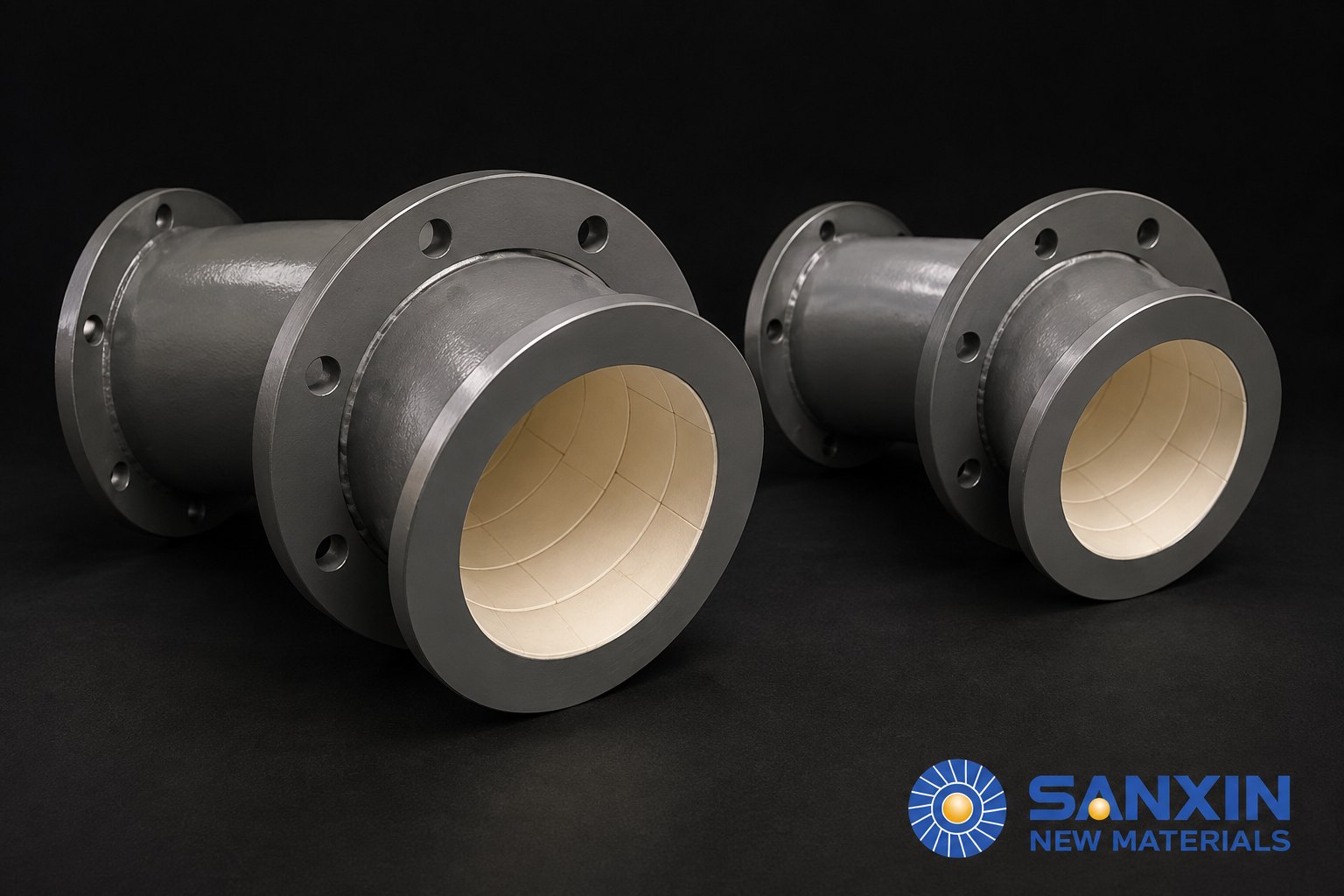
Keep the physical identity of a ceramic elbow separate from its current warehouse location so storage moves do not create or erase its accepted spare history.
Clarify whether a reported ceramic property range describes tested observations or an agreed requirement before using its endpoints to accept an elbow material.
Reconcile messages about ash leakage with the actual equipment and event record before using notification volume as a count of leak occurrences or locations.
Review the accepted movement path for a complete elbow with an additional external feature rather than judging maintainability from its final installed envelope alone.
Identify whether an elbow joint count concerns ceramic-piece boundaries, liner elements or external pipe connections before treating numbers as equivalent construction evidence.
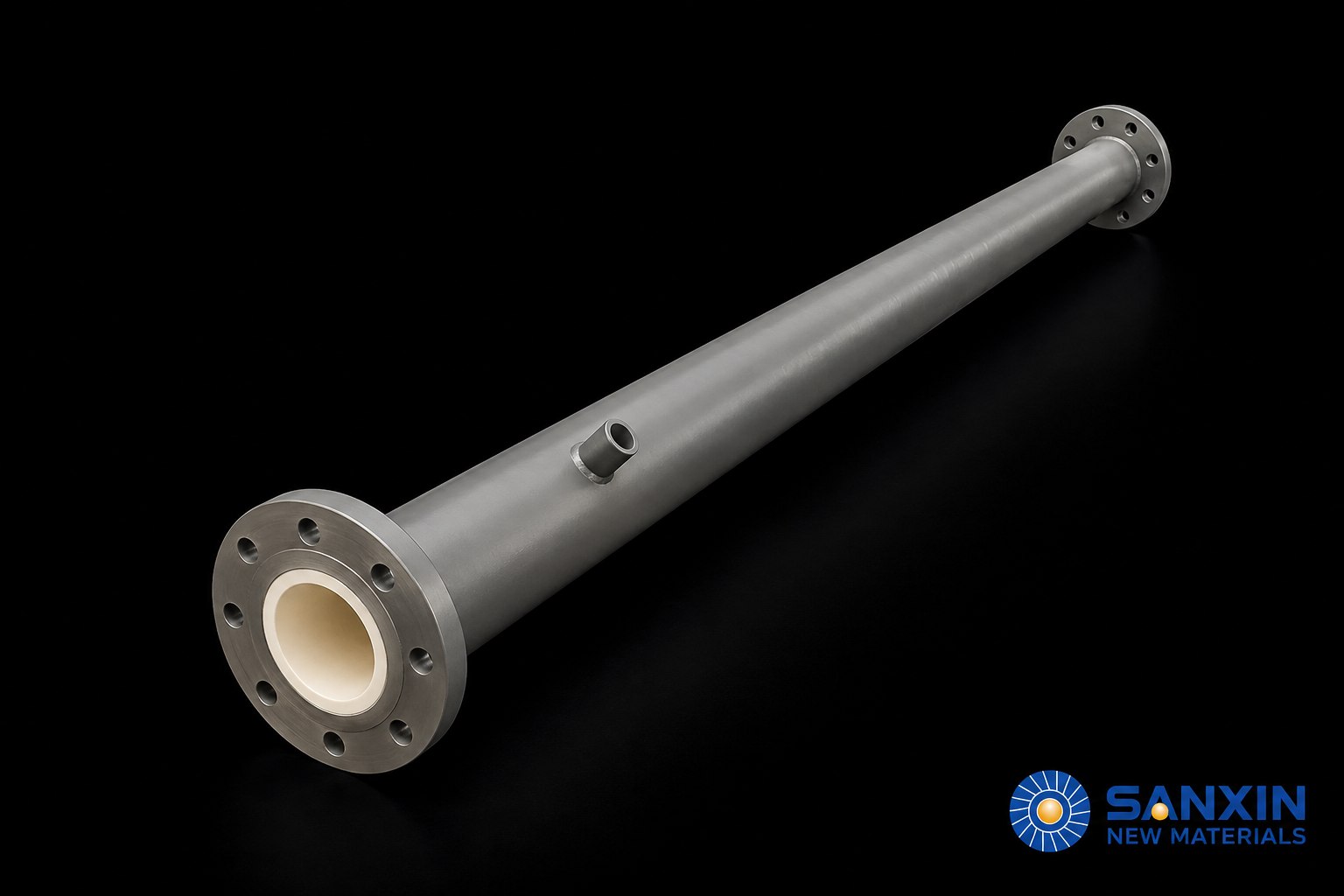
Identify whether several presentations or report versions describe the same ceramic pipe installation rather than treat each document as an independent operating example.
Connect separate maintenance orders to the actual ash-pipe repair location so an administrative count does not hide repeated work or become an unsupported failure diagnosis.
Preserve the pressure reference and measurement subject in a dust-pipe ceramic inquiry instead of comparing unqualified values or inferring the basis from a vacuum label.
Keep one evolving ceramic elbow requirement identifiable across repeated quotation requests so inquiry activity is not reported as several accepted projects or orders.
Preserve actual or referenced gas-volume conditions and the represented dust measurement before comparing concentration records for a ceramic-lined dust elbow.
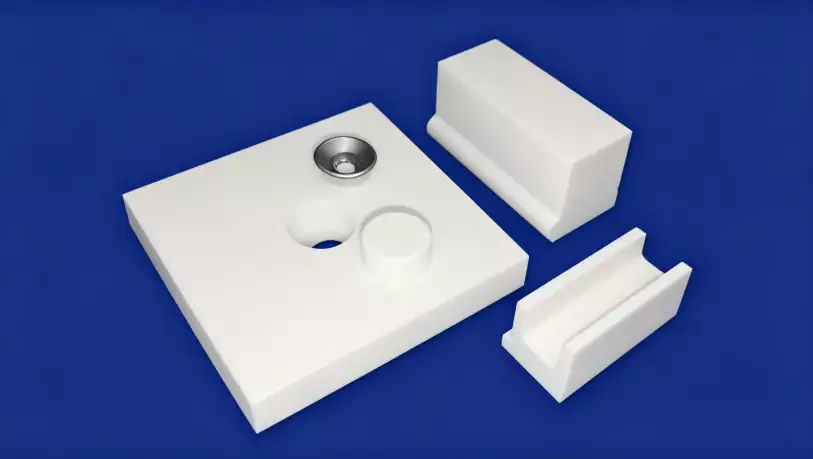
Report the actual scope of a ceramic crack observation instead of treating a visible surface trace as a complete measurement of depth or remaining component condition.
Preserve actual particle-form evidence separately from material hardness or mineral identity when describing routine abrasive contact for ceramic wear selection.
Keep the contacting counterpart and test configuration with ceramic sliding-wear information before applying it to a machinery component or another paired surface.
Interpret a charging-chute ceramic lining observation with the actual material sequence and component identity rather than using a generic furnace campaign label as the whole duty record.
Distinguish a corrected document entry from a new examination result while keeping both linked to the identified ceramic pipe and its acceptance history.
Identify whether a weight record covers packaging, several components or one ceramic-lined spool before using it in receiving or equipment coordination.
Keep identified dust-system maintenance events with a ceramic elbow trial rather than attributing every later operating or wear observation solely to the new lining.
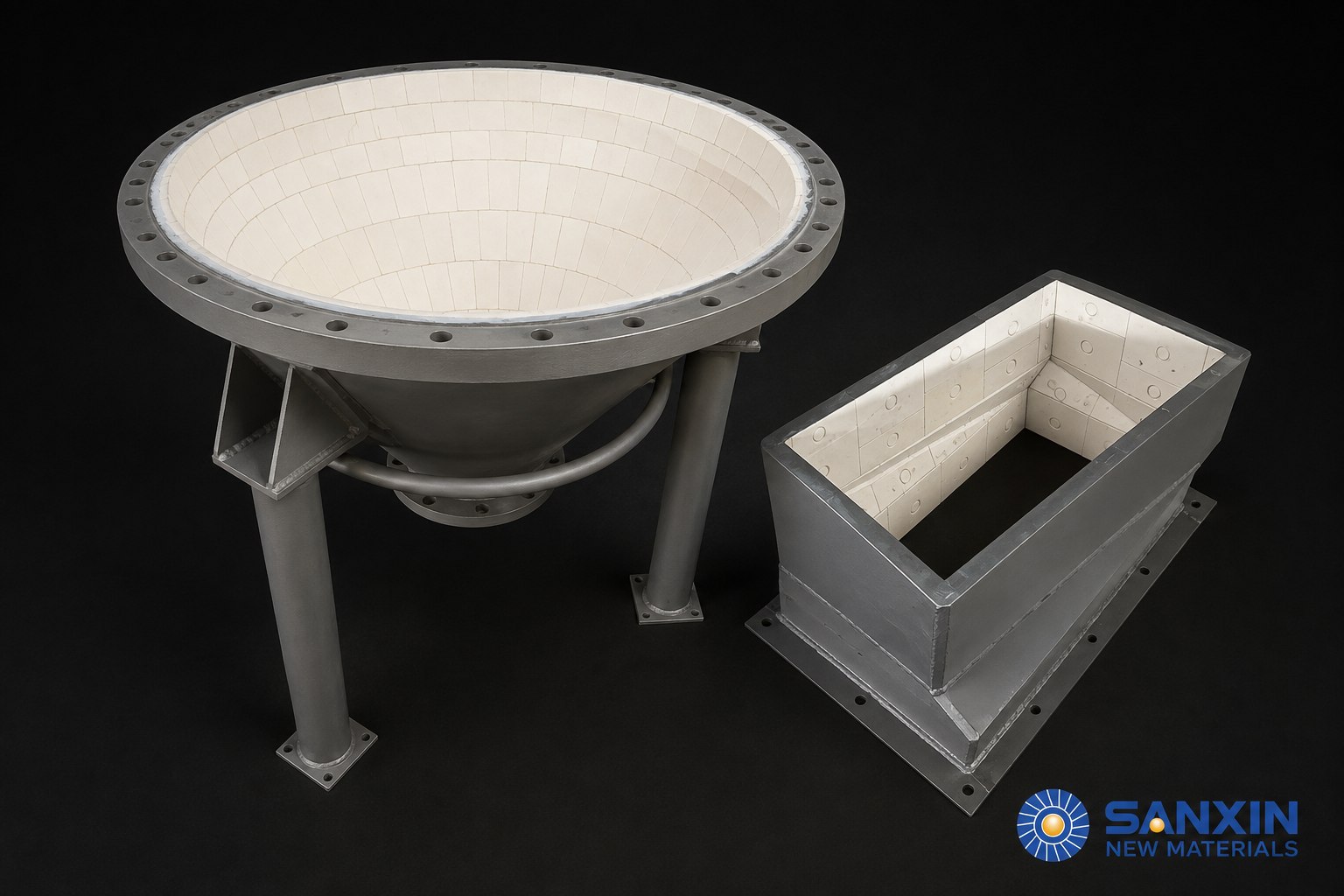
Preserve meter identity and discontinuities during a cement grinding-media evaluation rather than treating unrelated cumulative readings as one continuous energy record.
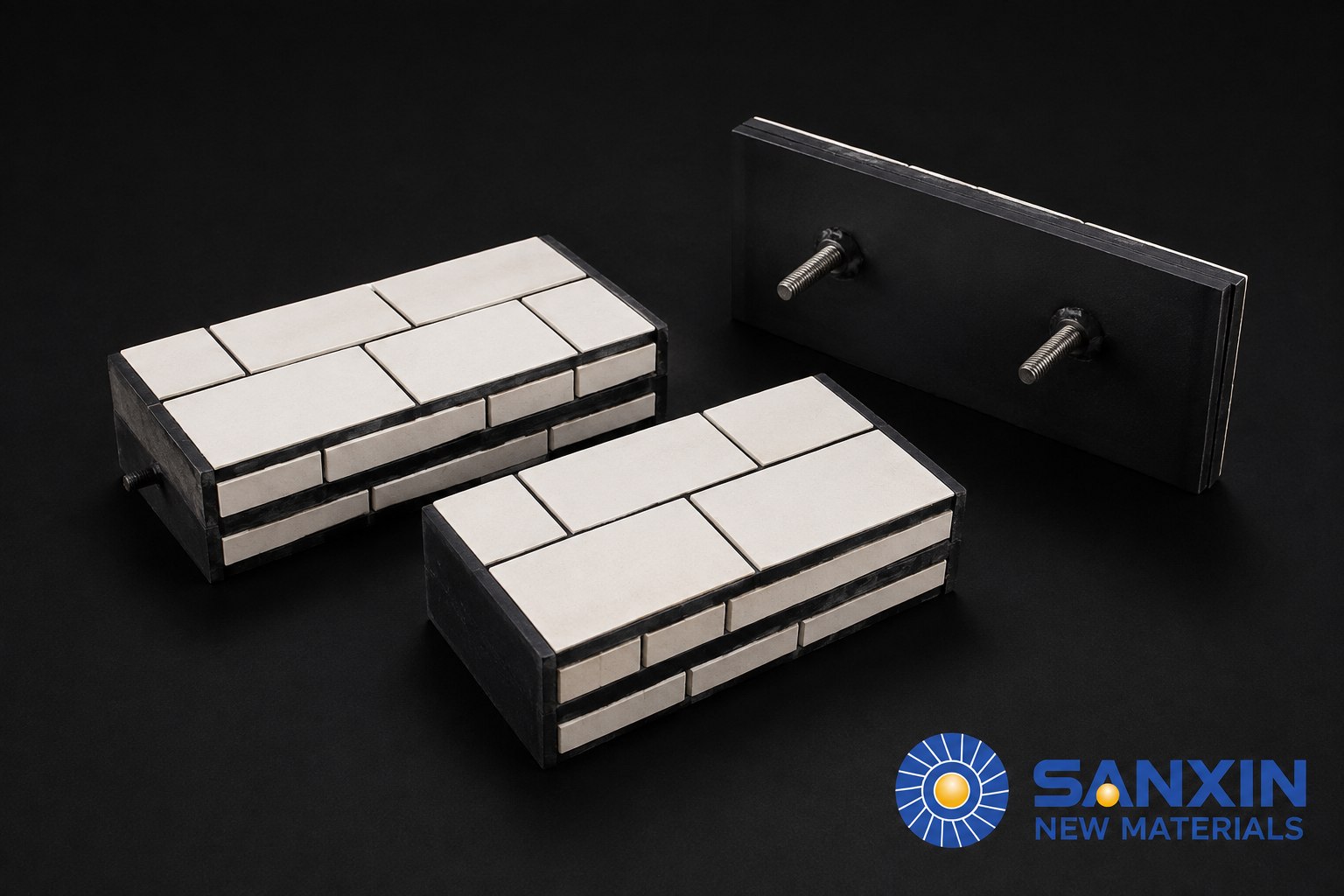
Keep the actual rubber hardness method and type with composite-panel data instead of comparing unlabeled values or treating them as ceramic hardness and impact evidence.
Preserve the relationship between metallic and ceramic material records without treating one traceability identifier as proof of every constituent in the supplied pipe.
Preserve which temperature the installation procedure requires and which location was actually observed before using one environmental entry as bonding-condition evidence.
Keep control commands, position indications and actual blade or ceramic observations distinct when documenting functional acceptance after a damper wear-protection change.
Keep ceramic material water-absorption evidence separate from the pressure, joint and containment acceptance required for a complete lined pipe assembly.
Name the service interval being reported when a ceramic elbow remains installed through one or more interventions instead of describing all elapsed time as uninterrupted performance.

Submit your demand,
we will contact you ASAP.

Sanxin New Materials Co., Ltd. focus on producing and selling ceramic beads and parts such as grinding media, blasting beads, bearing ball, structure part, ceramic wear-resistant liners, Nanoparticles Nano Powder


 English
 English
 Russian
 French
 Spanish
 Portuguese
 Arabic


