


Explore Sanxin technical guides →
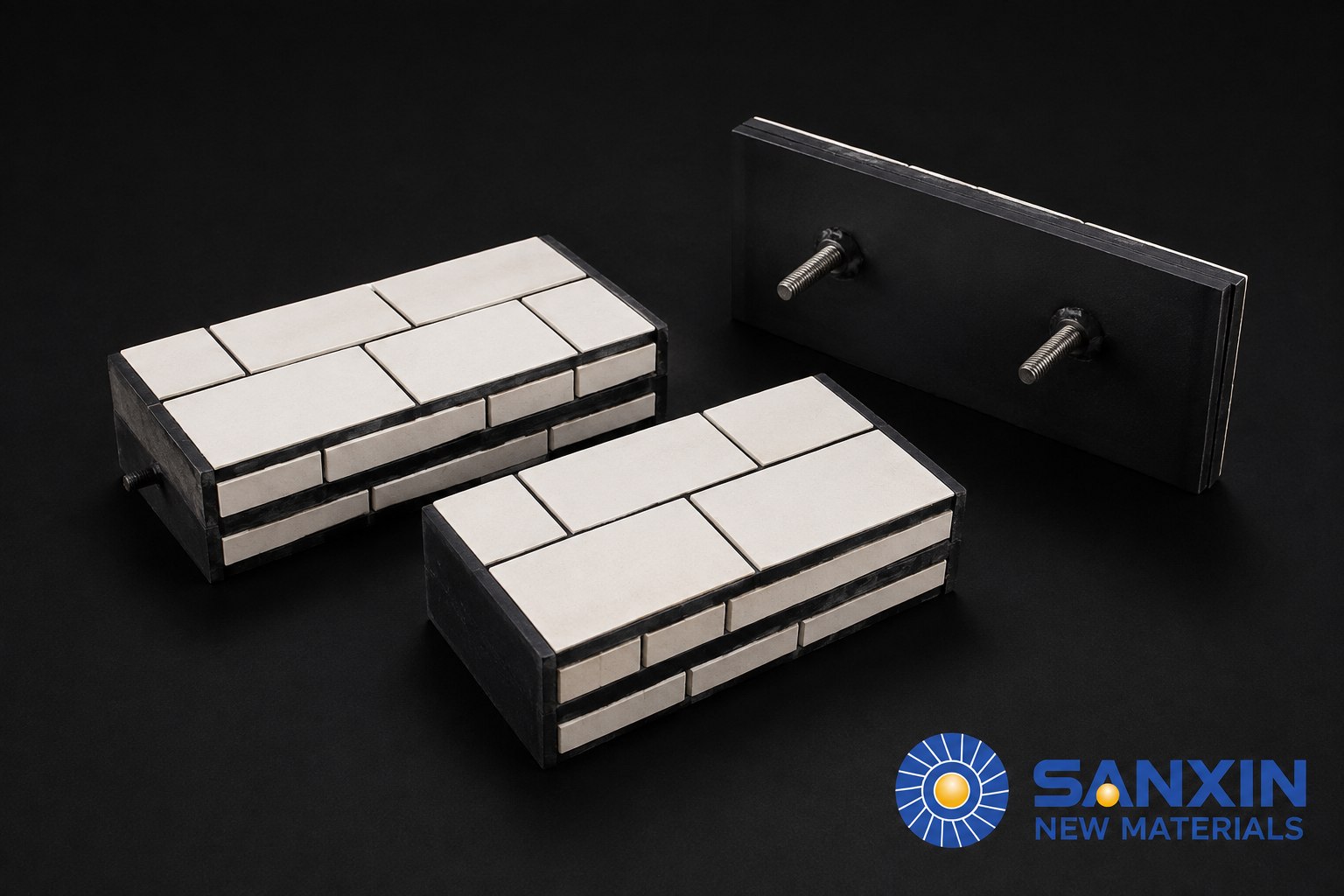
Clarify the represented area and actual ceramic face extent before comparing composite panel coverage descriptions or treating them as complete performance ratings.
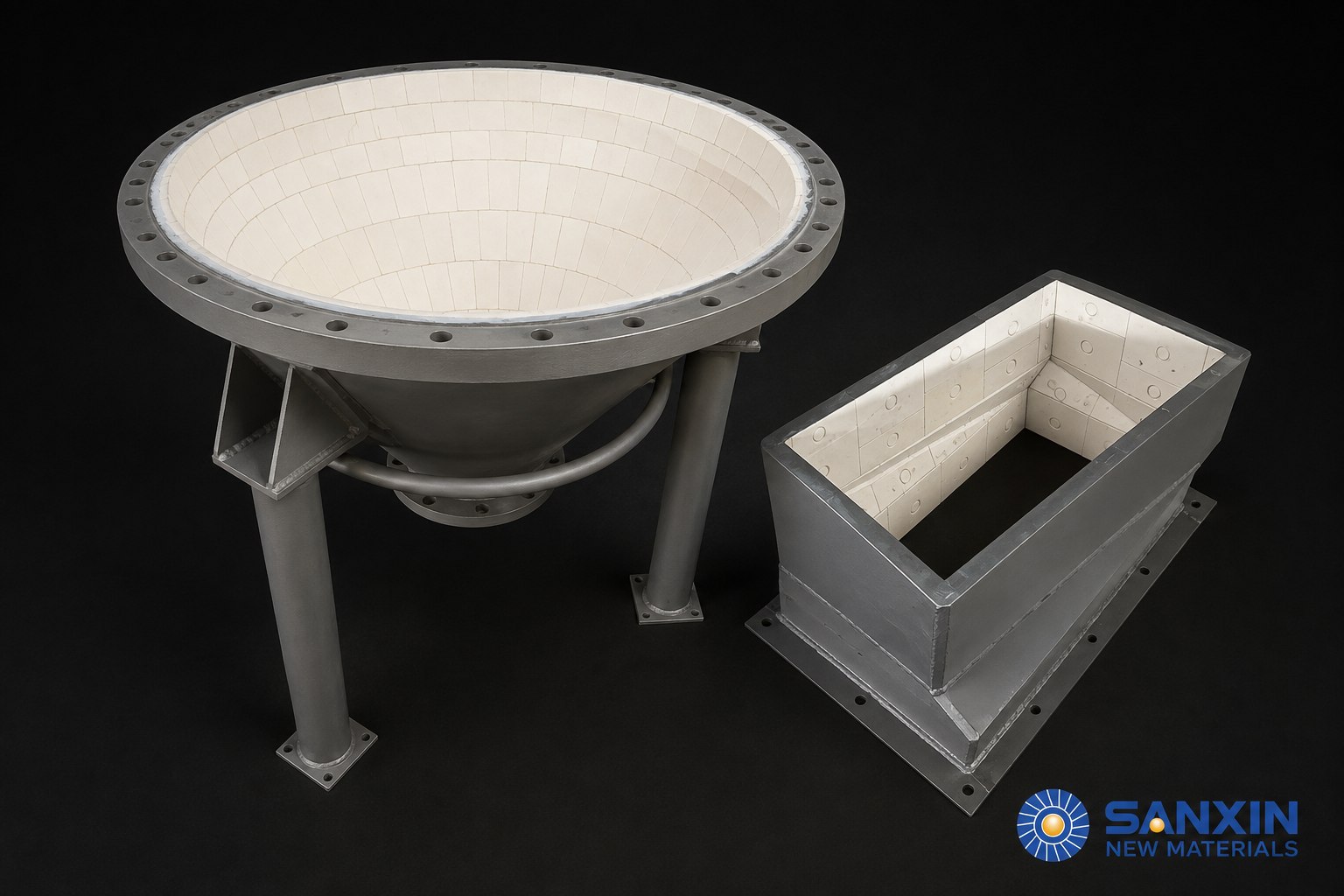
Identify the actual material and reference behind a chute lining observation before using joint or filler surface level to report remaining ceramic thickness.
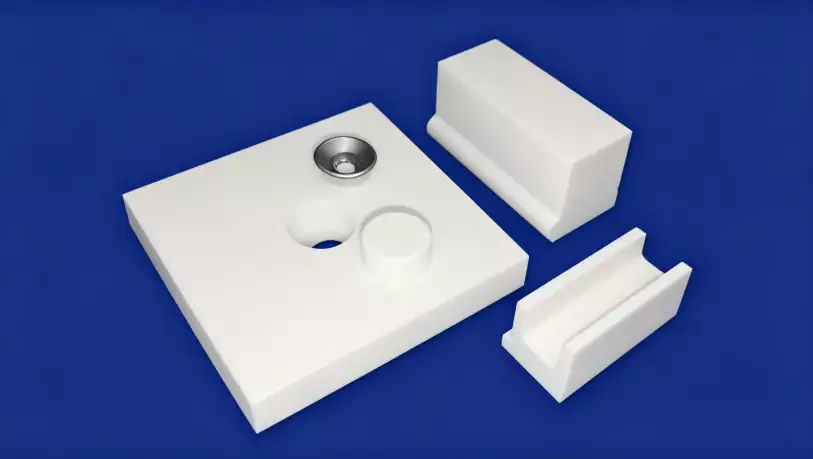
Distinguish an owner-defined mill lifter or profile requirement from ordinary ceramic protection before considering a replacement geometry or general brick supply.
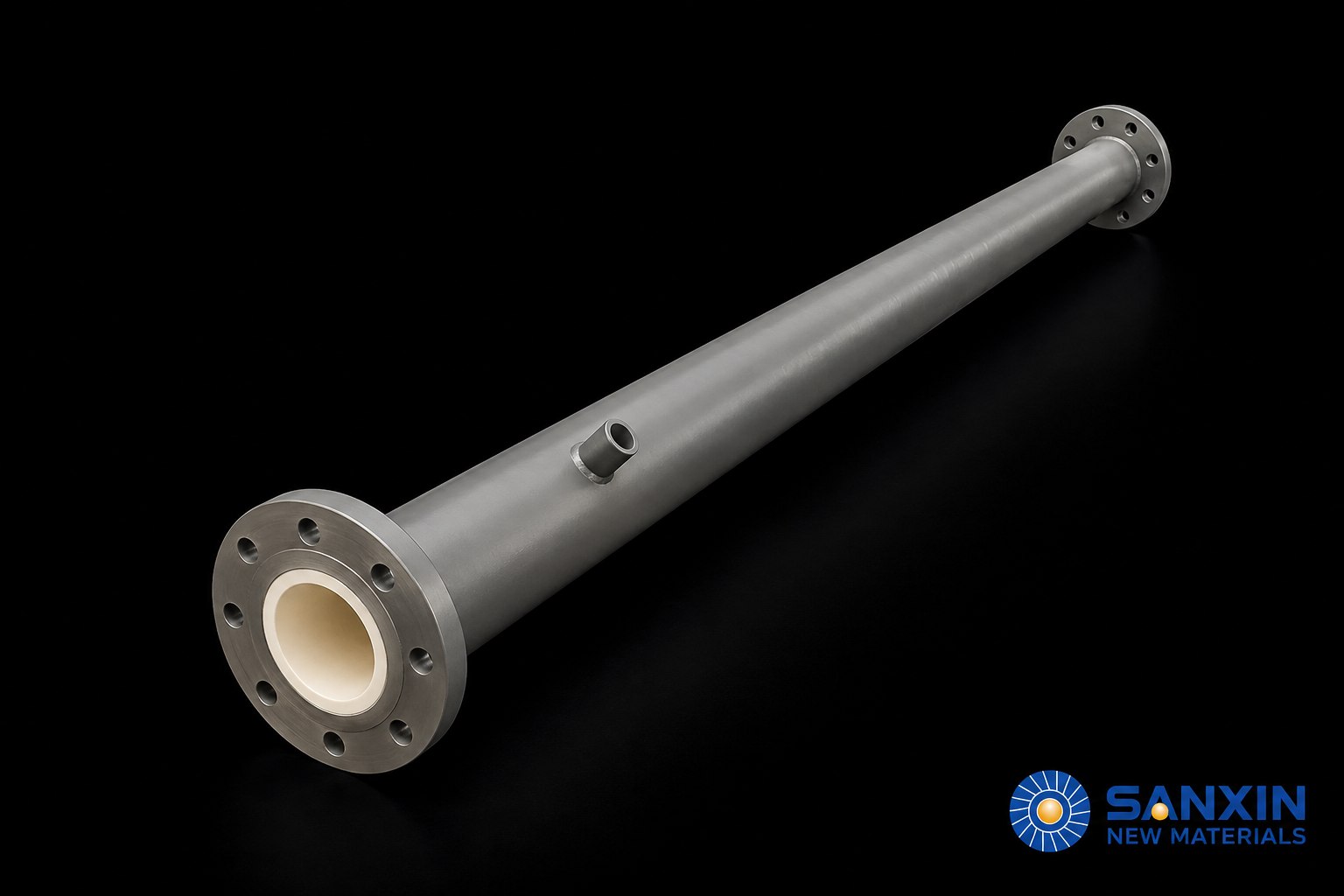
Keep recovered ceramic fragments, identified missing tile positions and examined coverage as separate quantities during a tile-lined pipe detachment review.
Preserve the actual observed separation subject alongside a reported bond result instead of assigning an unrecorded failure location from the value alone.
Identify which underlying metallic features are removed, retained or awaiting assessment instead of treating old-ceramic removal as a complete new attachment scope.
Distinguish conveying-system configuration from measured or otherwise verified dust-release findings when discussing ceramic pipe and environmental benefits.
Preserve which accepted product instruction applied to each work stage when adhesive documentation is clarified or revised during a ceramic lining job.
Keep exploratory supplier comments separate from the actual approved repair construction and site procedure when planning ceramic pipe work.
Identify accepted air openings and adjacent internal geometry separately from wear coverage before proposing ceramic renewal on a coal mill body.
Read the complete identified product size evidence and accepted criteria alongside a single jet-mill fineness statistic when reviewing a ceramic lining trial.
Keep conveying-system design and component supply responsibilities explicit when a ceramic pipe inquiry begins before the final system concept is accepted.
Preserve the actual meaning of pneumatic conveying classifications instead of using one label to fill an unanswered field in a ceramic pipe duty brief.
Identify what a capacity figure measures before comparing pneumatic conveying records or attributing a production benefit to ceramic lined pipe.
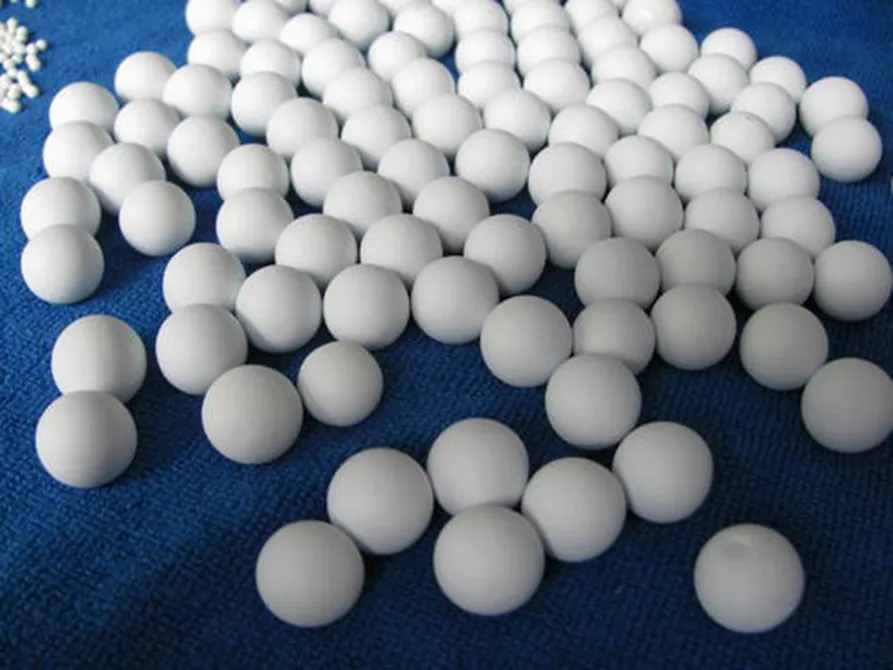
Review the actual charge, equipment limits and accepted transition basis before replacing steel grinding media with ceramic media in an existing mill.
Connect the actual adhesive product, delivery identification and installation-use records to a ceramic liner location without replacing the supplied instructions with a generic recipe.
Keep anonymous component references and the disclosed evidence scope readable when commercial details are removed from a ceramic lining case package.
Clarify whether a ceramic grinding head inquiry concerns a wear insert, supported assembly or complete machine component before comparing supplier offers.
Keep metal retention components and approved substitutions traceable within the specified weldable ceramic liner construction, rather than treating them as generic hardware.
Identify the actual quartz stream crossing a ceramic protected component before using final product output as its material-exposure quantity.
Preserve the actual specimen state and prior treatment behind a rubber result rather than report it as a new or unexposed material finding without support.
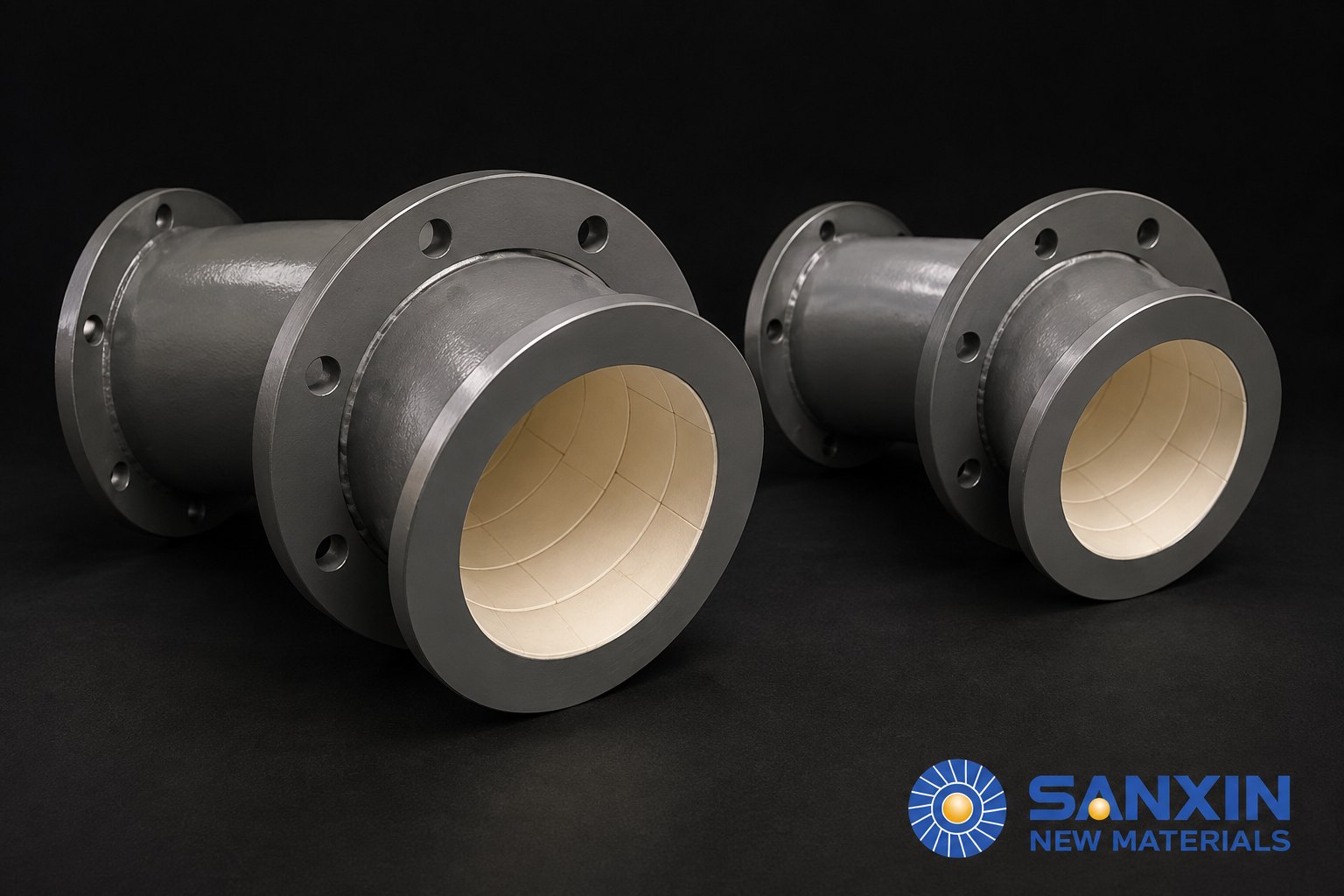
Identify the geometric feature behind each elbow requirement instead of using a radius description as a substitute for the required change in direction.
Distinguish elastic stiffness from a reported hardness result when requesting evidence for an alumina wear component and its complete supported assembly.
Identify whether a power-plant component requires wear protection, an electrical insulating function or both, with each actual requirement and supply capability reviewed explicitly.

Submit your demand,
we will contact you ASAP.

Sanxin New Materials Co., Ltd. focus on producing and selling ceramic beads and parts such as grinding media, blasting beads, bearing ball, structure part, ceramic wear-resistant liners, Nanoparticles Nano Powder


 English
 English
 Russian
 French
 Spanish
 Portuguese
 Arabic


