


Explore Sanxin technical guides →
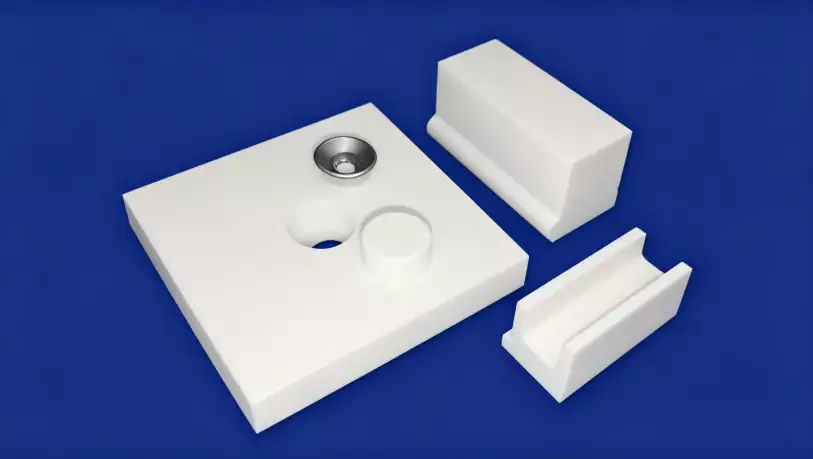
Mark access, instrument and maintenance boundaries before extending ceramic protection across equipment surfaces so the lining scope remains usable and inspectable.
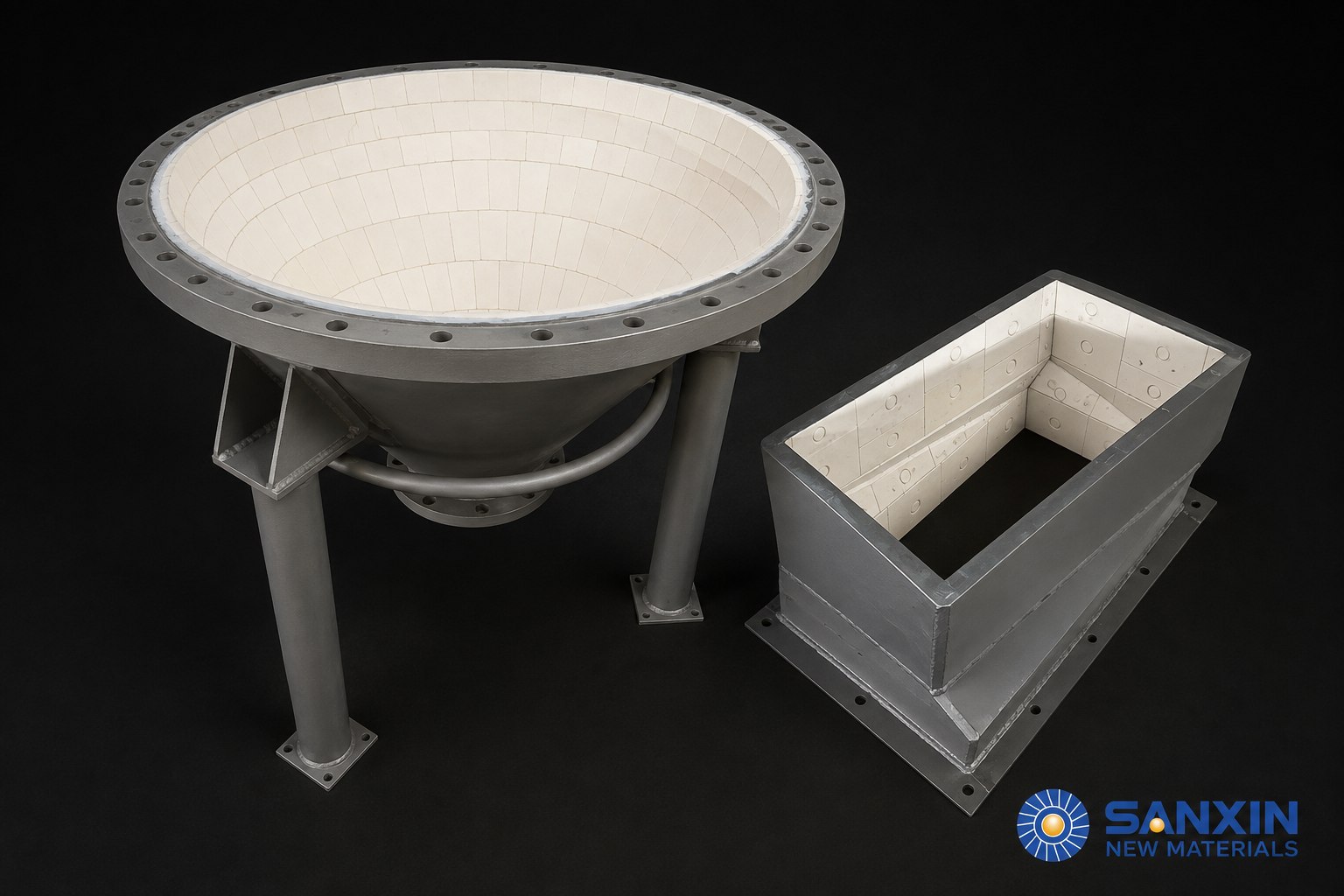
Plan how a ceramic liner installation will resume after an interruption, preserving preparation records and checking the actual materials and exposed interfaces.
Keep ceramic pieces for the mill shell, end regions and their junctions identifiable instead of treating a complete lining as one interchangeable brick quantity.
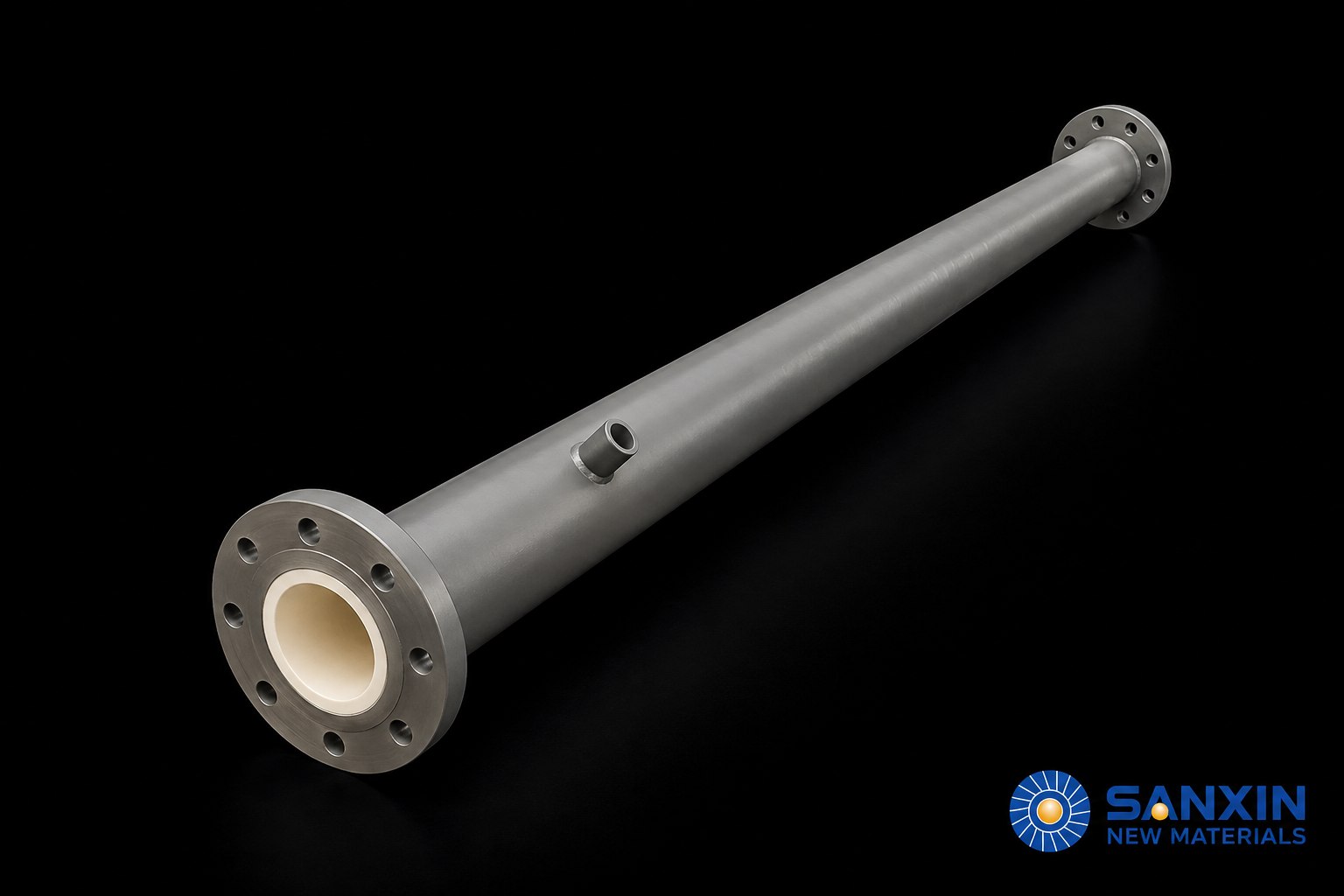
Identify the tube feature behind a diameter requirement before comparing a loose ceramic liner with its carrier and final process passage.
Identify the clock represented by a service-period figure before converting a plant calendar or planned shift schedule into ceramic operating exposure.
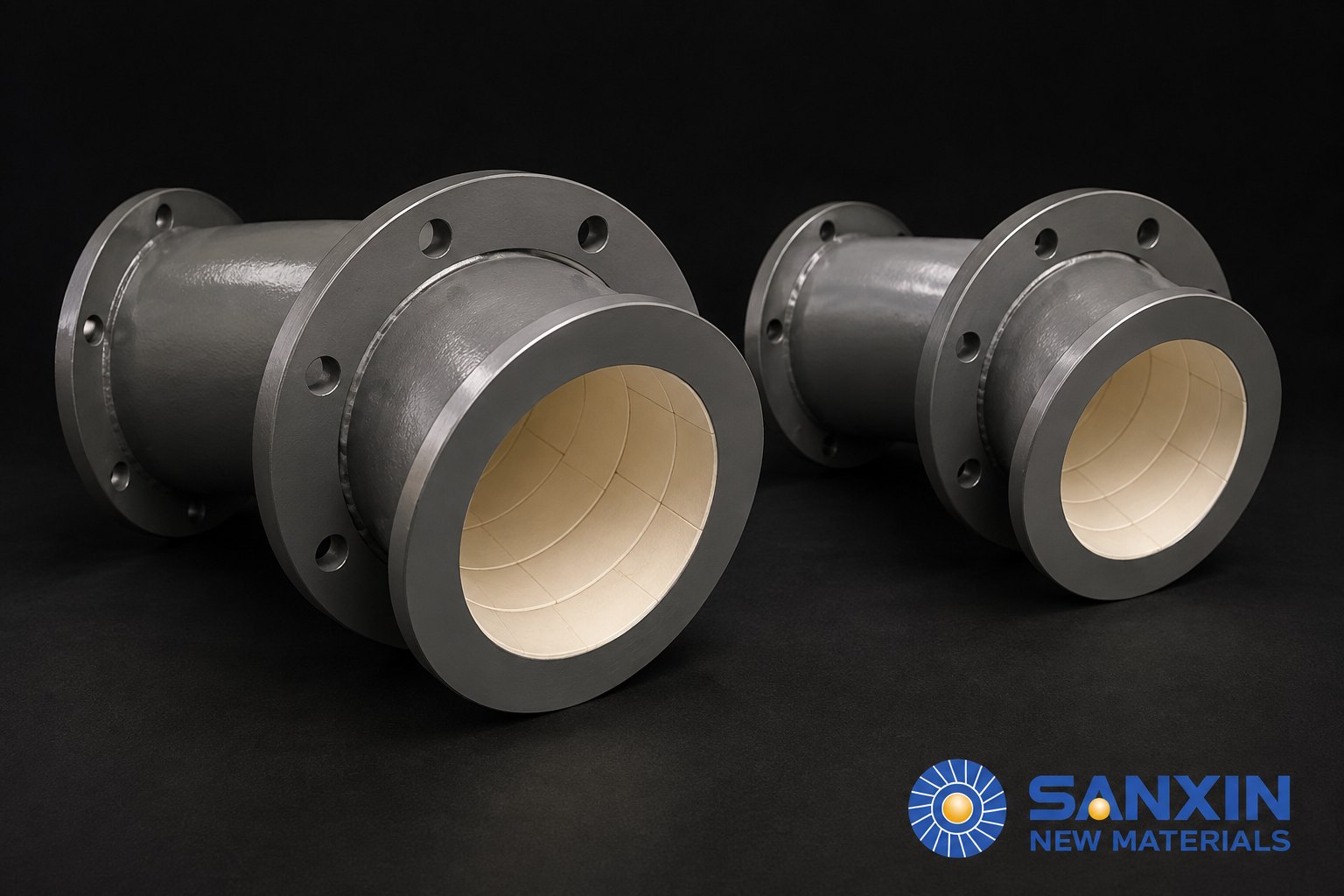
Define what the supplied elbow protects and assess neighboring components on their own evidence rather than assume a local ceramic retrofit qualifies the entire downstream route.
Preserve the actual item and condition scope of an accepted ceramic elbow deviation rather than reuse it as blanket permission for later deliveries.
Use the accepted ceramic part geometry and original condition evidence before interpreting an edge feature as damage or dismissing a discrepancy as an intended chamfer.
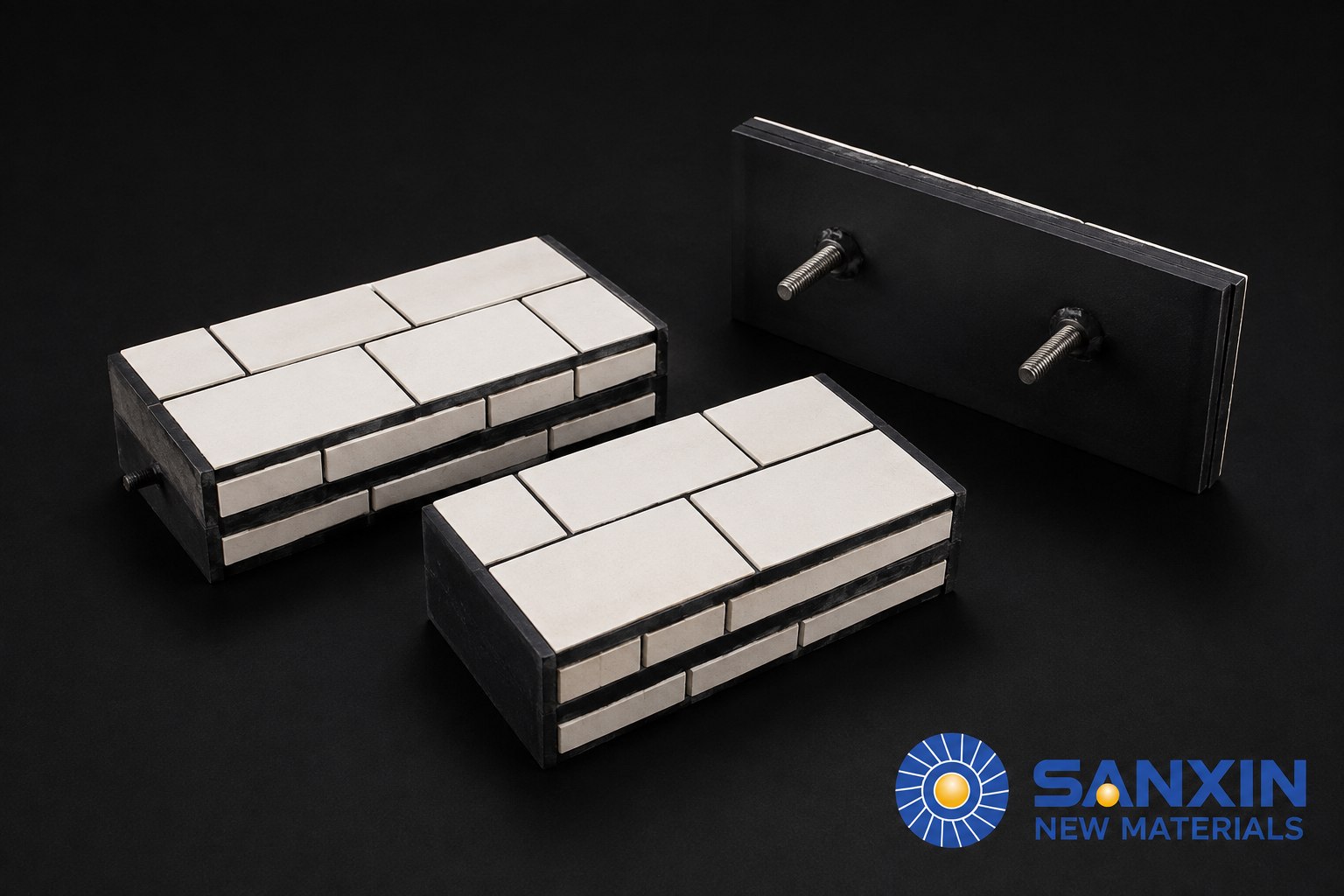
Keep visible rubber appearance separate from compound identity and service evidence when comparing ceramic composite panel offers or replacement stock.
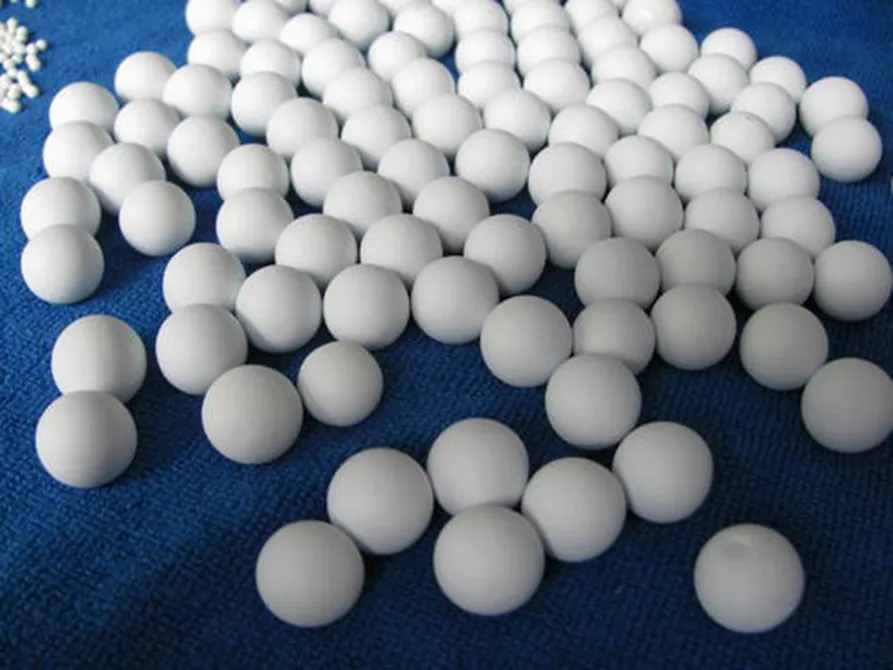
Keep illustrative ceramic media arrangements distinct from a representative size examination of the identified delivery or working charge.
Control the relationship between a translated ceramic installation document and its accepted source rather than assuming a translated filename establishes technical equivalence.
Keep the actual conveying gas and powder description visible in a pneumatic ceramic pipe inquiry instead of assuming air from the system label alone.
Keep cumulative component history separate from the latest installation date when a previously used ceramic lined spool returns to an accepted route.
Separate a reported cement product appearance change from an established ceramic lining contribution when reviewing a mill or transfer retrofit.
Read selected good or rejected ceramic pieces within their selection scope before using them to infer the quality distribution of a complete delivery.
Use accepted item and material records to identify an alumina ceramic instead of assigning grade or composition from appearance or a phone image.
Keep the actual substrate history visible when time or intervening work separates an accepted preparation check from the later ceramic attachment stage.
Track incoming alumina grinding ball lots, residual inventory and top-ups without confusing a mixed working charge with a single supplier batch.
Ask a ceramic cylinder media supplier to identify manufacturing, inspection and document responsibilities before accepting a quotation or production sample.
Avoid ambiguity between separator equipment names by specifying the actual process, internal component and drawing in an alumina ceramic liner inquiry.
Review stored rubber ceramic pads for identity, packaging and condition before fit-up, using the supplied storage instructions and a documented release decision.
Normalize pipe quotation dimensions to distinguish steel shell size, lining construction and finished internal geometry before comparing ceramic-lined alternatives.
Locate the actual interface represented by a composite liner bond examination before using one result to accept every layer in the supplied panel.
Resolve an actual ceramic and metal alignment discrepancy against the accepted combined drawing instead of moving a retention feature informally to make the assembly fit.

Submit your demand,
we will contact you ASAP.

Sanxin New Materials Co., Ltd. focus on producing and selling ceramic beads and parts such as grinding media, blasting beads, bearing ball, structure part, ceramic wear-resistant liners, Nanoparticles Nano Powder


 English
 English
 Russian
 French
 Spanish
 Portuguese
 Arabic


