


Explore Sanxin technical guides →
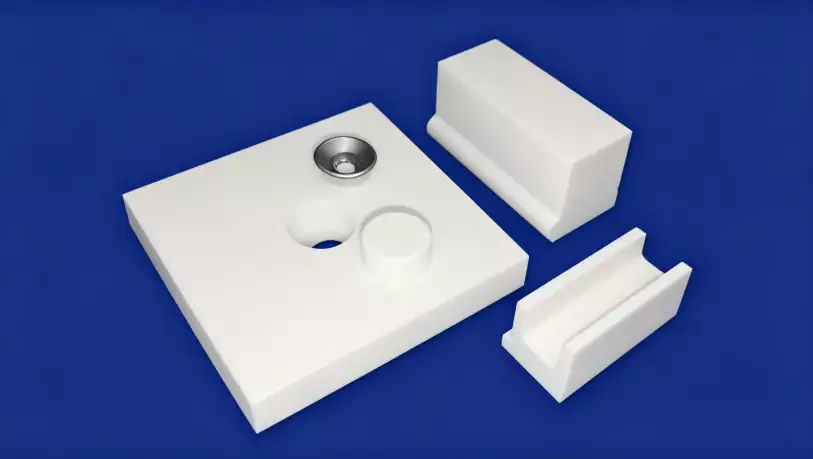
Distinguish a component that participates in crushing from nearby wear protection before requesting an industrial ceramic alternative for mineral or sand equipment.
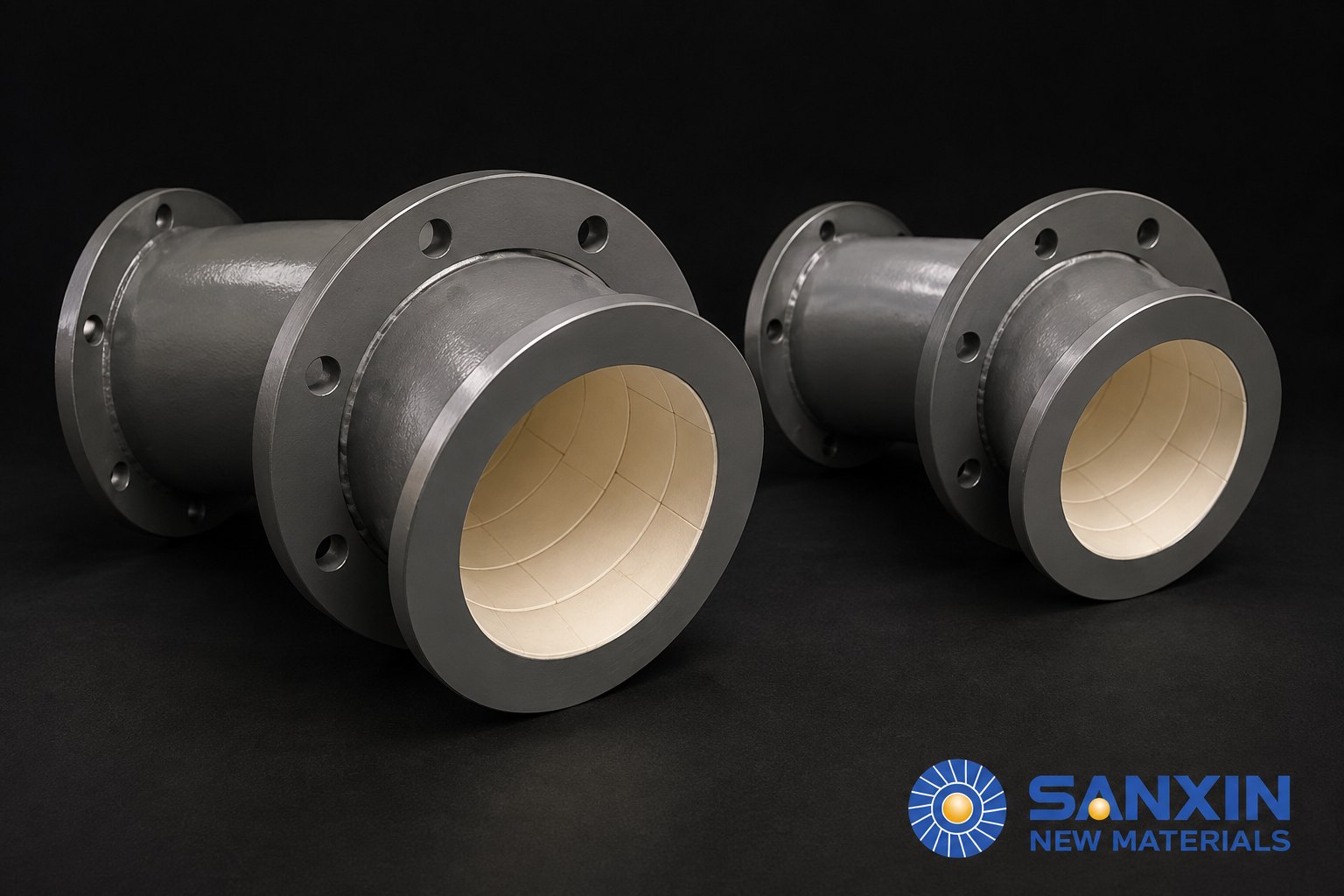
Preserve the stage represented by a metal fit-up record instead of using it as evidence that a ceramic elbow retention weld and complete assembly were accepted.
Clarify whether an alumina inquiry concerns raw powder or a finished ceramic component so material and supply requirements do not silently move between product stages.
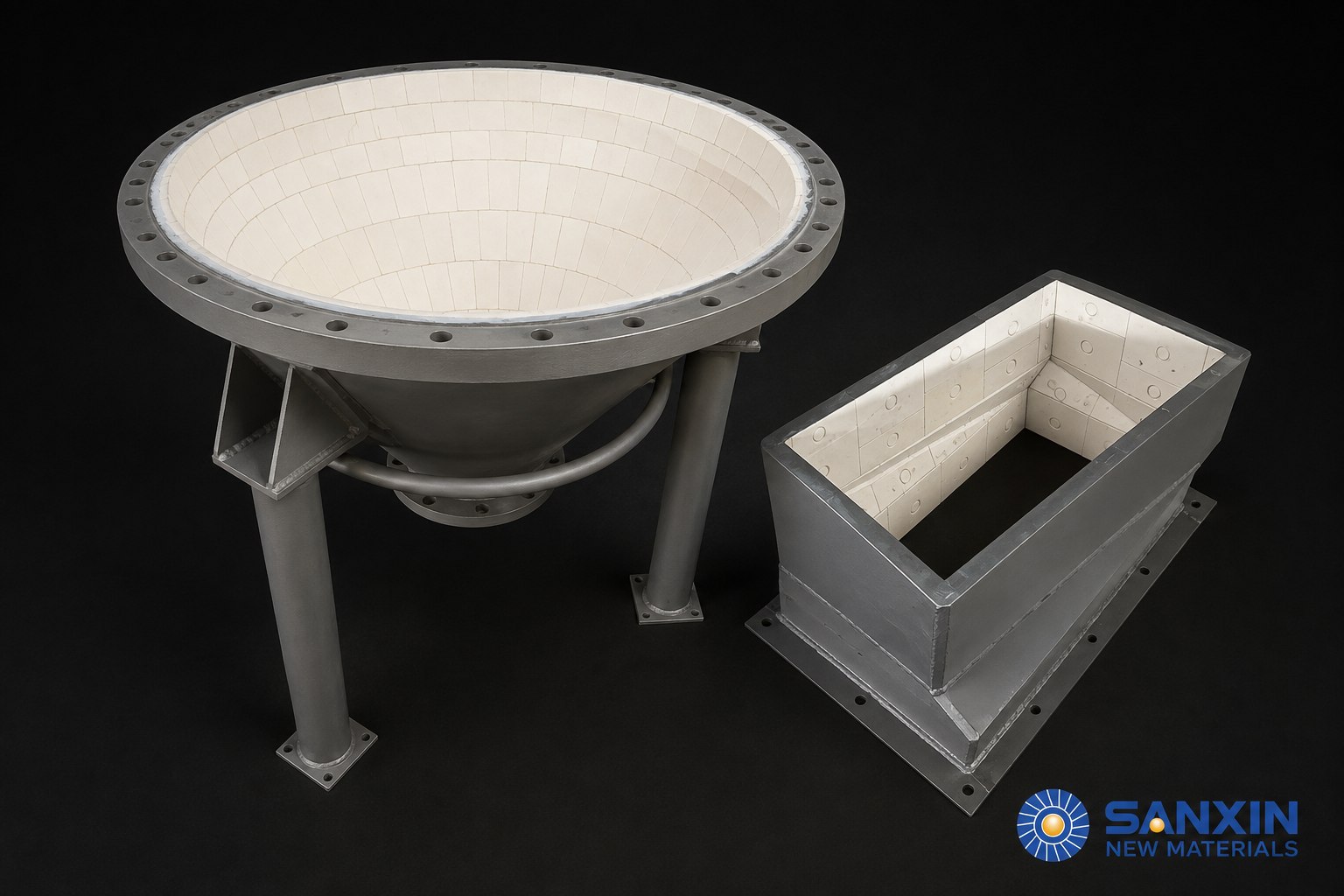
Link typical ceramic lining details to the coal-powder spools they actually govern instead of applying a convenient sketch to every part without a controlled reference.
Read adhesive properties in their reported material state rather than transferring uncured component data into a claim about the installed cured joint.
Resolve the relationship between a ceramic part model and its drawing before using either to define a custom quotation or dimensional acceptance.
Clarify the actual coating product and layer system in a battery-powder ceramic pipe offer instead of treating a polymer family name as complete installed evidence.
State the actual chamber geometry represented by a mill lining drawing without translating that dimension or volume into an unverified production-capacity promise.
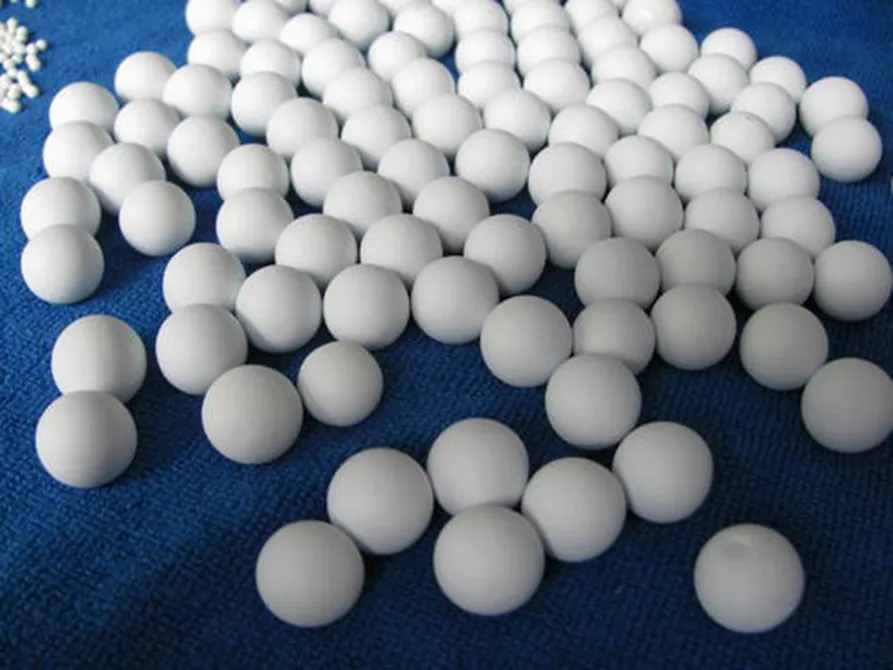
Keep retained balls, deliberately removed items and recovered fragments distinguishable when interpreting the population represented by a laboratory media wear result.
Identify the features that position a machinery component separately from its process-facing ceramic protection before reviewing a replacement geometry.
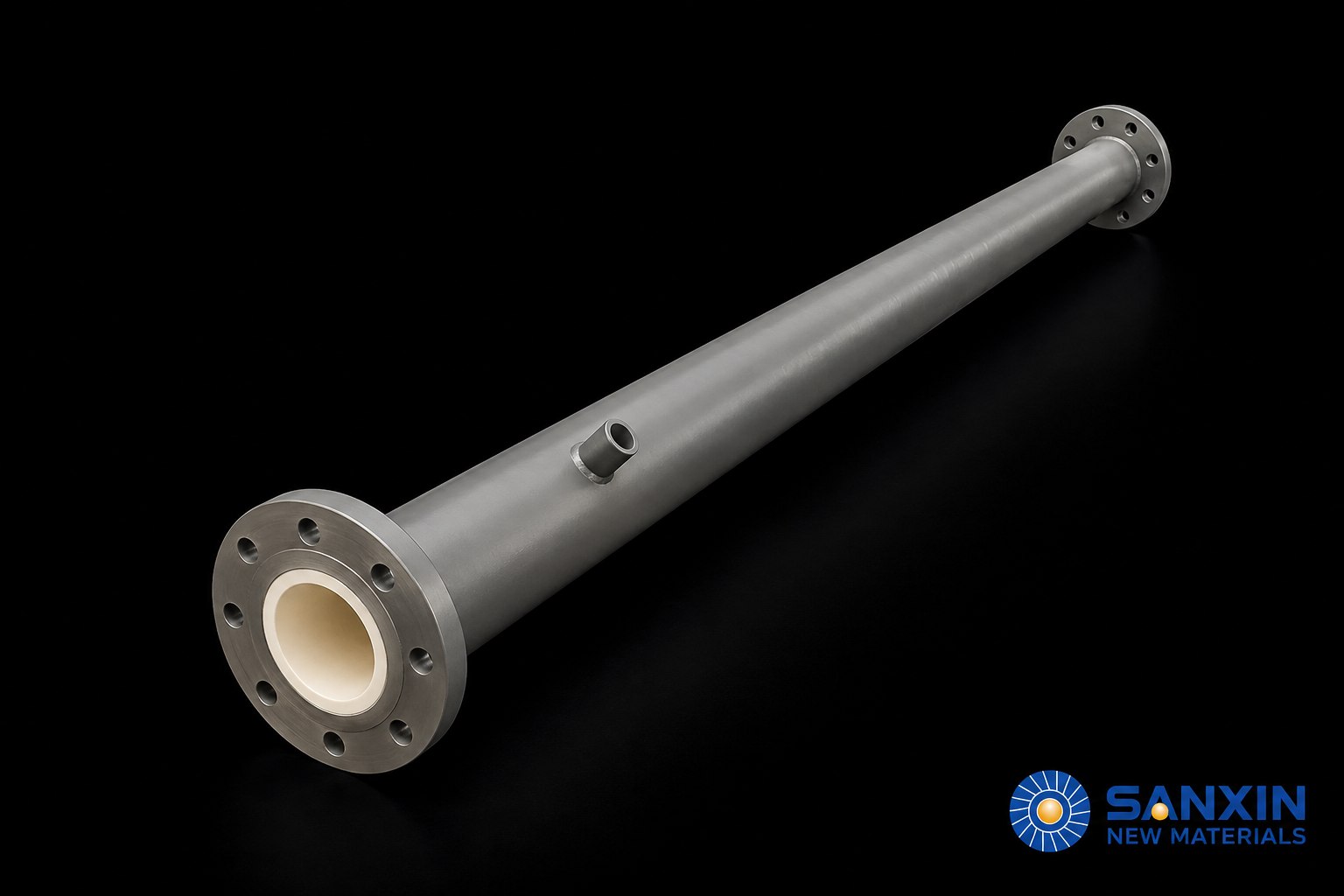
Establish the event represented by a ceramic pipe photograph instead of assuming a file creation or export date proves when the component was examined.
Keep the metal identities of the shell, connections and retention components explicit instead of assigning one stainless designation to the whole ceramic lined assembly.
Preserve selection reasons and the represented equipment population so a practical first trial is not reported as proof for every pipe position in the plant.
Preserve the definition behind a chemical proportion instead of treating an unlabeled percentage as a complete ceramic pipe exposure description.
Interpret zirconia-toughened alumina reports by their actual property and method instead of treating strength, toughness and installed impact tolerance as one result.
Define the references for the ceramic body and complete pipe assembly before using a single length entry to order or inspect an integral liner component.
Compare grinding-media wear results using their actual reported quantity and relevant material basis instead of assuming a mass-loss ranking is automatically a volume-loss ranking.
Clarify what a dry-mill reject sample represents before using its appearance or total quantity to report alumina grinding ball breakage.
Review the identity and current condition of a retained ceramic reference sample before treating it as a permanent unchanged comparison for later deliveries.
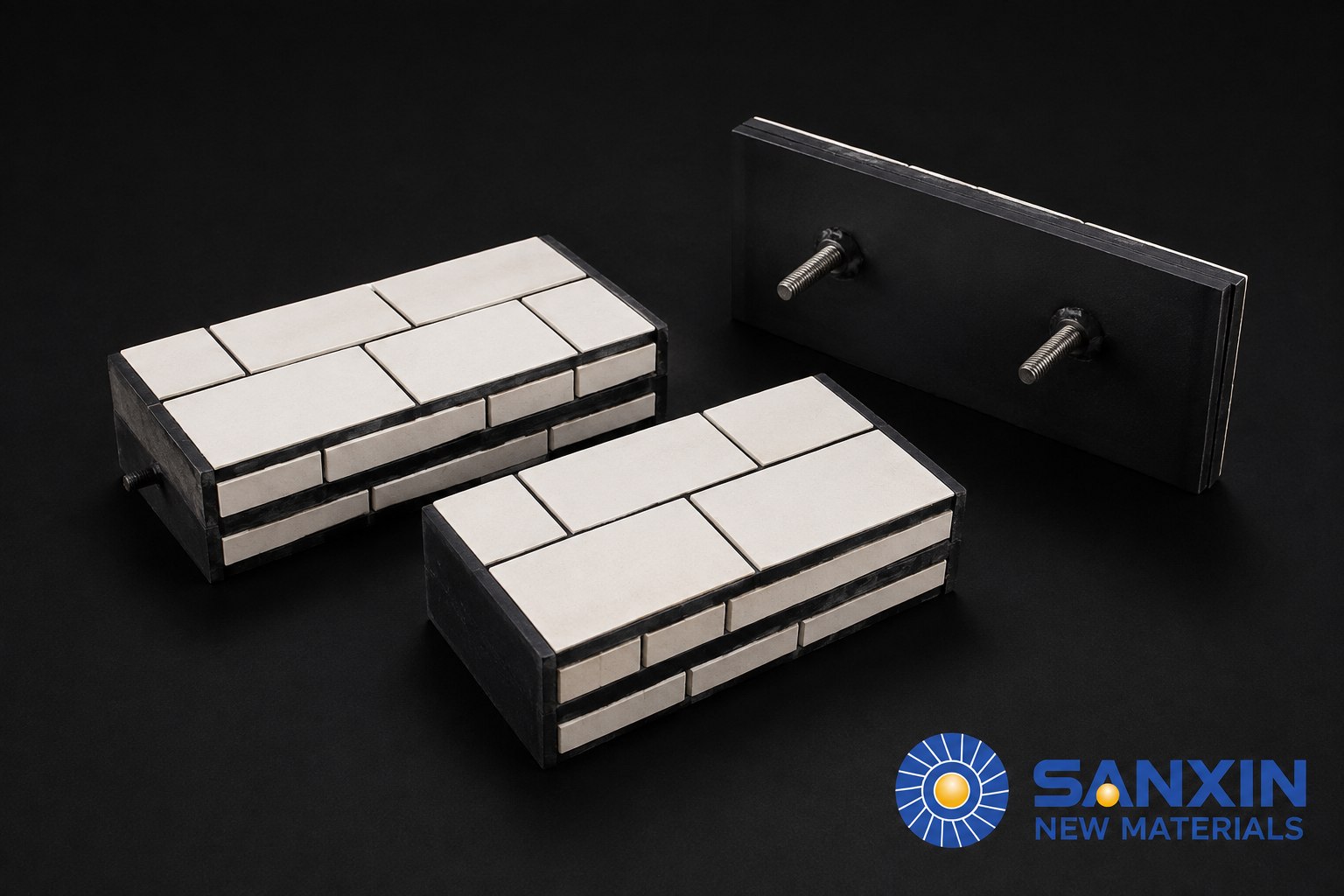
Keep pulley lagging observations located relative to the belt and installed surface rather than describe every visible area as equally represented contact.
Keep granulated feed descriptions and other powder characterization records attached to their actual examined subjects before using them to discuss finished ceramic quality.
Resolve the unit of order and its piece schedule before treating ceramic sets, panels and individual tiles as equivalent quantities in a coal-handling repair request.
Keep what flows through the pipe distinct from the ceramic, shell, joints and backing that form it when consolidating application information from several records.
Identify the actual interval represented by a differential-pressure record instead of attributing a whole-system change directly to one ceramic lined spool.

Submit your demand,
we will contact you ASAP.

Sanxin New Materials Co., Ltd. focus on producing and selling ceramic beads and parts such as grinding media, blasting beads, bearing ball, structure part, ceramic wear-resistant liners, Nanoparticles Nano Powder


 English
 English
 Russian
 French
 Spanish
 Portuguese
 Arabic


