

Global mining and mineral processing operations face persistent and costly equipment degradation driven by abrasive ores, high‑velocity slurry flow, repeated particle impact, and combined erosion‑corrosion working conditions. Gold, copper, iron‑ore and base‑metal processing circuits subject handling equipment to continuous assault from sharp‑edged mineral particles with Mohs hardness values ranging from 4 to 7. Traditional metallic solutions including manganese steel, high‑chromium cast iron and carbon steel deliver acceptable toughness but suffer rapid wall‑thickness loss, frequent unplanned shutdowns, heavy maintenance labor expenditure and high replacement‑part overheads.For medium‑to‑large mineral concentrators, wear‑related downtime can cut annual throughput by double‑digit percentages. Many processing plants report that chutes, transfer hoppers, slurry elbows, cyclone bodies and mill internals require repair or swap‑out every few weeks or months, creating operational bottlenecks and safety risks during high‑altitude maintenance work on silos and transfer structures.Advanced wear‑resistant industrial ceramics have evolved into a mainstream alternative to legacy metal wear components across mining flowsheets. Engineered alumina, zirconia‑toughened alumina (ZTA), and silicon‑carbide ceramic materials deliver Mohs‑9 hardness, outstanding chemical inertness against acidic‑alkaline mineral slurries, and service‑life multipliers ranging from 10‑20 times compared with conventional steel wear plates. Operators looking to upgrade critical processing assets can review engineered product options via wear‑resistant ceramic parts for heavy‑duty mining service.While ceramic wear solutions have proven their value globally, successful implementation requires matching material grade, tile geometry, bonding method and installation architecture precisely to each piece of equipment. This article systematically walks through mining‑specific application scenarios, covering silos, intermediate hoppers, collecting hoppers, transfer chutes, cyclones, diverting valves, agitation tanks, classifiers, tailings‑transport pipelines, mineral‑slurry pipelines, flotation machines, belt pulleys, vertical fine‑grinding mills, horizontal ball mills, large‑scale mineral ball mills, IsaMill, HIG‑Mill and SAG‑mill comminution systems. It also contrasts wear mechanisms, material‑grade selection criteria, practical field‑installation best practices, and measurable economic outcomes for mineral‑processing operators.
Before diving into equipment‑by‑equipment deployment, it is critical to understand the material fundamentals that define ceramic performance within mining circuits. Three primary ceramic families dominate mineral‑processing wear‑protection projects: high‑purity alumina ceramics (92%‑95% Al₂O₃), ZTA zirconia‑alumina composite ceramics, and sintered silicon‑carbide ceramics.High‑alumina ceramic represents the most widely‑specified baseline solution for mining. It reaches Mohs hardness 9, compressive strength exceeding 1000 MPa, and excellent resistance to most acidic and neutral process slurries. Its primary limitation is moderate fracture toughness, meaning installations must mitigate heavy point‑impact from oversized ore lumps through composite backing structures, rubber‑ceramic hybrid assemblies or thicker tile profiles where coarse feed material is present. ZTA composite ceramics incorporate zirconia phase transformation toughening, lifting impact‑load tolerance and extending service life in mixed impact‑abrasion environments by approximately 40‑60% relative to standard 92% alumina. Silicon‑carbide grades offer superior hardness and corrosion resistance but carry higher unit cost and remain reserved for extremely aggressive slurry‑erosion conditions.Unlike ductile steel, which fails through micro‑cutting, plastic grooving and gradual material thinning, dense ceramic resists particle penetration through rigid covalent‑ionic crystal bonding. Mineral particles slide across ceramic surfaces rather than digging into them, drastically lowering volumetric material loss. Wear proceeds primarily through slow surface polishing rather than destructive gouging, unless extreme concentrated impact initiates tile chipping or spalling.The table below summarizes key comparative performance for common mining wear‑protection materials:
| Performance Parameter | Carbon Steel | High‑Chromium Cast Iron | 92%‑Grade Alumina Ceramic | ZTA Composite Ceramic |
| Mohs Hardness | 4‑5 | 5.5‑6 | 9 | 9‑9.2 |
| Relative Wear‑Life Factor (baseline steel =1) | 1 | 2.5‑3 | 10‑18 | 14‑22 |
| Acid‑Alkali Resistance | Poor | Moderate | Excellent | Excellent |
| Impact Tolerance | Very High | High | Moderate | Good |
| Typical Working Temperature | ≤350℃ | ≤400℃ | ≤1000℃ | ≤1000℃ |
When designing lining packages, plant engineers must distinguish two dominant wear modes across mining flowsheets: sliding abrasion from continuous particle flow, and impact erosion from high‑velocity material drops or directional flow redirection. Each mode demands distinct tile thickness, backing construction and fastening schemes. Full‑system engineered assemblies are available at wear‑resistant ceramic components for mineral‑processing plant retrofits.
Bulk‑material receiving, storage and transfer sections constitute the front‑end of mineral‑processing plants, and these units suffer heavy combined impact plus sliding abrasion as raw ore, crushed ore, concentrate and tailings flow through them. This category includes silos, silo intermediate hoppers, collecting hoppers, transfer hoppers, chutes and material‑splitting diverter valves.
Storage silos and their internal intermediate hoppers, collecting hoppers and transfer hoppers handle continuous gravity‑driven movement of crushed ore particles. Material free‑fall creates concentrated impact zones at hopper bottoms, cone transitions and material‑drop points. Unprotected steel hoppers develop localized gouging wear, requiring periodic plate patching. In wet‑process plants, ore‑moisture‑driven corrosion accelerates metal degradation further.Ceramic lining solutions for silos and hoppers generally adopt mosaic square or rectangular alumina tiles bonded with high‑strength inorganic adhesive. For zones receiving heavy lump‑ore impact, rubber‑backed ceramic composite tiles are selected to absorb shock energy and suppress tile cracking. The lining layout must pay special attention to cone‑shaped transition sections, where material flow concentrates. Site experience demonstrates that properly‑installed ceramic‑lined hoppers achieve service‑life extensions of 6‑8 times compared with original steel plates, cutting hopper‑related maintenance shutdowns dramatically.Critical design notes: Avoid thin ceramic tiles for drop‑height locations greater than 3 meters. Specify thicker‑profile tiles or composite metal‑ceramic structures for high‑impact zones. Ensure complete coverage of all flow‑contact surfaces; partial lining creates step‑edges that accelerate secondary particle scouring at boundary lines.
Transfer chutes connect different process units, transporting crushed ore, concentrate and middling products across elevation changes. Chute bends, deflection plates and material‑impact points represent the fastest‑wearing positions inside concentrator material‑handling circuits. Many steel chutes require repair work every 2‑3 months under high‑tonnage operating conditions.Wear‑resistant ceramic tiles, pre‑fabricated modular ceramic‑steel composite chute segments, are both viable technical paths. Modular pre‑fabricated ceramic‑lined chute sections reduce on‑site construction time during plant shutdown windows. The ultra‑smooth inner ceramic surface also reduces material sticking and buildup, lowering frequency of chute blockage events, a common operational headache for mineral‑processing sites.
Diverter valves, also known as material‑splitting valves, switch ore or concentrate streams toward different downstream processing branches. The valve body and flap surfaces endure cyclic particle scouring. Metal valve flaps wear quickly, leading to internal leakage and inaccurate material‑distribution ratios. Ceramic‑clad valve bodies and ceramic‑faced flap assemblies substantially extend component service cycles and preserve splitting‑ratio accuracy over long run‑times.For operators upgrading silo‑hopper‑chute material‑handling circuits, complete pre‑engineered lining packages can be sourced from mining‑grade wear‑resistant ceramic wear parts.
Classification and pre‑concentration hardware forms a core segment of mineral‑processing flowsheets, including hydrocyclones, agitation/stirring tanks and mechanical classifiers. Each equipment class encounters unique abrasive‑corrosive operating conditions.
Hydrocyclones perform particle‑size classification via high‑speed centrifugal slurry rotation. Inside cyclone units, slurry particles spin at high velocity, generating severe circumferential abrasion against the feed‑inlet chamber, cone section, underflow apex and overflow riser pipe. Conventional cast‑iron or polyurethane cyclone components degrade rapidly under high‑density coarse‑particle feed. Apex throat enlargement due to wear directly ruins classification cut‑size precision, destabilizing downstream flotation and grinding‑circuit performance.Wear‑resistant ceramic linings, including monolithic ceramic cones and mosaic‑tile lined cyclone bodies, deliver exceptional performance. High‑alumina or silicon‑carbide ceramic cyclone components maintain precise dimensional stability over long operating periods, keeping classification parameters consistent and minimizing process‑variation risk. Ceramic‑lined cyclones are widely adopted for gold‑ore, copper‑ore, iron‑ore and non‑ferrous‑metal concentrator circuits.
Agitation tanks, mixing tanks and leaching tanks keep mineral particles suspended inside aqueous process solutions. Tank inner walls, baffle plates and impeller housings suffer continuous sliding abrasion from suspended mineral solids. In gold‑leaching circuits, chemical corrosive agents add further material‑degradation stress. Ceramic tile lining protects tank shells and internal baffles against combined abrasion‑corrosion. For impeller components, composite ceramic‑coated structures improve component service life significantly.
Spiral‑type and rake‑type mechanical classifiers separate coarse and fine fractions. The spiral blade outer edges, tank‑bottom liners and overflow weir sections are subject to constant friction from settling mineral particles. Ceramic wear‑protection tiles are applied on high‑friction contact surfaces to reduce metal‑part consumption.
Slurry‑transport piping networks carry ground ore slurry, concentrate slurry and tailings across concentrator sites, sometimes over long distances. Pipeline elbows, tees and reducers represent classic wear hot‑spots: when slurry flow changes direction, centrifugal force hurls solid particles against outer bend walls. Ordinary steel elbows frequently develop penetrating perforations, forcing emergency pipeline repairs and production interruptions.Two primary ceramic‑lining architectures serve mining slurry‑piping projects: mosaic‑tile lined steel pipes, and monolithic sintered‑ceramic inner‑layer composite pipes. Both types feature extremely high hardness and chemical stability. The smooth ceramic inner surface reduces hydraulic friction loss, lowering pumping‑system energy consumption compared with rough, worn metal pipework. This dual benefit of wear reduction plus energy‑saving makes ceramic‑lined pipe a high‑return‑on‑investment upgrade for mineral‑processing plants.Tailings‑transport pipelines often handle huge volumes of fine‑to‑medium abrasive particles. Ceramic lining mitigates tailings‑pipeline failure risk and extends overhaul intervals. It is worth noting that straight pipe sections experience relatively mild sliding abrasion, while elbows, branches and transition pieces bear the brunt of erosion damage. Best‑practice engineering prioritizes full ceramic protection for all directional‑change components, even when straight runs retain other lining forms.Complete ceramic‑lined pipe, elbow and tee assemblies for mineral‑slurry and tailings‑transport duty are available within the product range at ceramic wear‑resistant parts for mining slurry transportation.
Flotation machines and belt‑conveyor pulleys are key auxiliary units inside mineral‑processing plants, where localized wear still creates operational pain‑points.
Flotation cells achieve valuable‑mineral separation via bubble‑particle interaction. While flotation‑cell tank main bodies experience moderate wear, internal baffle plates, feed‑inlet boxes, discharge spouts and froth‑launder linings are exposed to continuous scouring by mineral‑bearing slurry. Abrasive particles gradually wear away metal surfaces, altering flow‑field geometry inside flotation chambers and indirectly reducing mineral‑recovery efficiency.Installing wear‑resistant ceramic tiles on feed boxes, launders and baffle surfaces preserves original flow‑channel geometry. It reduces metal‑particle contamination into flotation pulp, stabilizes flotation‑separation indicators and cuts maintenance frequency for flotation‑circuit auxiliary components.
Conveyor‑belt drive pulleys and return pulleys suffer abrasive wear from mineral dust, fine‑ore particles trapped between belt and pulley shell. Surface wear degrades pulley roundness, triggering belt‑vibration, belt‑deviation and accelerated belt aging. Ceramic‑coated pulley shells adopt high‑hardness ceramic particle composite cladding. Besides improving anti‑wear performance, ceramic‑coated pulleys enhance friction coefficient between pulley and belt, reducing belt‑slippage risks and improving conveyor‑system operating stability.
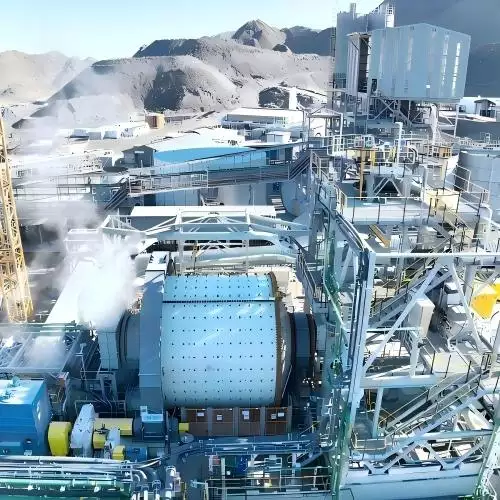
Comminution consumes roughly 40‑50 % of total mine‑site electrical energy, making grinding‑circuit reliability and efficiency central to plant‑wide economic performance. Wear‑resistant ceramic‑related solutions cover multiple mill categories: vertical fine‑grinding mills, horizontal ball mills, large‑diameter mineral ball mills, IsaMill stirred mills, HIG‑Mill high‑intensity grinding mills, and SAG semi‑autogenous grinding mills.
Vertical roller mills for mineral fine‑grinding operate with high‑speed material circulation. The mill inner casing, classifier housing, feed‑inlet and discharge‑outlet ducts are subject to severe particle erosion. Ceramic lining protects these housing‑structure components. Note that grinding‑roller surfaces themselves normally adopt metal‑matrix hard‑alloy technology; ceramic solutions apply primarily to static housing and duct parts rather than direct roller working surfaces.
Traditional horizontal rotating ball mills remain widespread for primary and secondary grinding duties. While main cylinder liners are most frequently high‑manganese steel or rubber‑metal composite liners, peripheral auxiliary parts including feed‑inlet chutes, discharge trunnion liners, and intermediate‑partition‑plate protective surfaces benefit greatly from ceramic wear‑resistant components. ZTA composite ceramic is often selected here for balanced hardness and fracture‑toughness performance, coping with mixed impact‑abrasion conditions inside ball‑mill peripheral zones.
IsaMill and HIG‑Mill represent high‑efficiency stirred‑media fine‑ and ultra‑fine‑grinding equipment widely deployed for re‑grinding of flotation concentrates. Inside stirred mills, high‑speed‑rotating agitators drive grinding‑media and mineral particles to generate intense shear and abrasion. Ceramic‑based wear‑resistant components are used for stator segments, chamber liners and media‑separator components. High‑density alumina‑ZTA ceramic resists continuous scouring from fine mineral particles and grinding beads, extending service intervals and minimizing metal‑ion contamination of ultra‑fine ground products, which is critical for subsequent flotation‑recovery performance.
SAG mills handle large‑size raw ore feed, characterized by heavy impact energy from big ore lumps. For this reason, pure ceramic tiles are not suitable for direct exposure to violent lump‑ore impact inside SAG‑mill main grinding chambers. Nevertheless, ceramic wear‑resistant parts still find important applications on SAG‑mill peripheral auxiliary equipment: feed‑inlet transfer chutes, discharge‑end launders, and overflow‑return pipelines. In these positions, impact intensity is moderated while sliding‑abrasion remains severe, creating ideal application scenarios for ceramic lining technology.Mining operators researching wear‑protection retrofits for grinding‑circuit auxiliary hardware can examine wear‑resistant ceramic parts for grinding‑mill auxiliary equipment.
Even high‑quality ceramic materials will deliver poor service results if mis‑specified or incorrectly installed. Three core dimensions determine real‑world project success: material‑grade matching, tile‑structure selection, and on‑site construction quality.First, material‑grade matching: For scenarios dominated by sliding abrasion with limited heavy lump‑impact (slurry pipelines, cyclone cones, flotation‑cell launders), standard 92%‑95% alumina ceramic provides cost‑effective performance. Where moderate‑impact loads coexist with abrasion (hopper drop‑zones, transfer‑chute deflection areas), choose ZTA composite ceramics or rubber‑ceramic composite tile structures. For highly‑corrosive, high‑erosion fine‑slurry environments, evaluate silicon‑carbide ceramic options. Avoid deploying ordinary alumina ceramic in locations with sustained heavy lump‑ore point‑impact, as brittle fracture and tile spalling will occur.Second, tile‑structure and fastening selection: Three mainstream installation approaches are used within mining: high‑strength adhesive bonding for mosaic ceramic tiles; welding‑stud‑fixed composite ceramic‑steel plates; and pre‑fabricated ceramic‑steel modular components. Adhesive‑bonded mosaic tiles suit curved surfaces such as cyclone inner walls and pipe interiors. Weldable composite ceramic‑steel plates fit flat surfaces of hoppers, chutes and tank baffles. Pre‑fabricated modular units shorten shutdown‑window installation duration, which is extremely valuable for concentrator‑plant turnaround planning.Third, avoid typical field‑failure modes: Common project pitfalls include insufficient surface‑blasting pre‑treatment of steel substrates, improper adhesive mixing ratios, gaps between adjacent ceramic tiles that become erosion initiation points, and mis‑application of pure‑ceramic tiles in high‑impact zones. Strict process control during on‑site installation is indispensable to realize the theoretical service‑life potential of ceramic components.
Many mine operators hesitate at the relatively higher upfront procurement cost of ceramic wear‑resistant parts compared with conventional steel plates. However, total‑cost‑of‑ownership analysis consistently demonstrates long‑term economic advantages for ceramic‑solution adoption.First, sharp reduction in component‑replacement frequency. Service‑life multipliers of 10‑20 times versus carbon steel translate directly into far fewer maintenance shutdown events. For large‑tonnage concentrators, each unplanned shutdown brings substantial lost‑production opportunity cost, which often outweighs component material costs by a wide margin.Second, cut labor and safety overhead. Wear‑part replacement work on silos, high‑elevation chutes and pipeline networks requires scaffolding, confined‑space work and heavy‑component handling. Fewer replacement cycles reduce worker exposure to high‑risk maintenance scenarios, improving site safety KPIs.Third, stable process‑performance retention. Ceramic‑lined equipment maintains original dimensional geometry for extended operating cycles. Cyclone classification accuracy, slurry‑pipe flow resistance, flotation‑cell flow‑field conditions do not degrade rapidly as with wearing‑away metal hardware. Stable process parameters help sustain mineral‑recovery‑rate performance and reduce product‑quality fluctuation.Fourth, indirect energy‑saving gain. The smooth inner surface of ceramic‑lined pipelines and chutes lowers flow resistance, decreasing power draw for slurry pumps and material‑transport systems.When conducting technical‑economic comparison for planned plant upgrades, engineering teams can reference detailed product specifications at mining‑oriented wear‑resistant ceramic component solutions to build accurate capital‑expenditure and operating‑expenditure forecasting models.
Wear‑resistant ceramic technology has matured into a proven, versatile wear‑protection solution covering nearly every major equipment category across mineral‑processing flowsheets. From silos, intermediate hoppers, collecting hoppers, transfer hoppers, cyclones, diverter valves, chutes, agitation tanks and classifiers, to tailings‑transport pipelines, mineral‑slurry pipelines, flotation‑cell auxiliary parts, belt pulleys, vertical fine‑grinding mills, horizontal ball mills, large‑scale mineral ball mills, IsaMill, HIG‑Mill and SAG‑mill auxiliary systems, ceramic wear‑resistant parts deliver targeted anti‑abrasion performance for diverse mining working conditions.Successful deployment does not mean universal blanket adoption of ceramic for every location. Engineering teams must analyze local wear‑mechanism characteristics: distinguishing sliding abrasion, impact erosion, and corrosion‑coupled environments, selecting suitable ceramic material grades, tile structures and installation methods. When properly matched to process conditions, wear‑resistant ceramic components reduce unplanned downtime, cut maintenance labor expenditure, improve operational safety and stabilize mineral‑processing technical indicators, bringing comprehensive economic benefits for mining‑concentrator enterprises.As global ore grades gradually decline and mines process higher‑volume harder ores, wear‑related equipment stress will continue rising year‑over‑year. Wear‑resistant ceramic parts will occupy an increasingly important position within future mineral‑processing‑plant reliability‑optimization roadmaps.

Submit your demand,
we will contact you ASAP.

Sanxin New Materials Co., Ltd. focus on producing and selling ceramic beads and parts such as grinding media, blasting beads, bearing ball, structure part, ceramic wear-resistant liners, Nanoparticles Nano Powder


 English
 English
 Russian
 French
 Spanish
 Portuguese
 Arabic