

Mineral‑processing workflows heavily rely on grinding operations to liberate valuable mineral grains from gangue rock. Traditional steel balls and cast‑iron grinding media have dominated mining milling workshops for decades. Nevertheless, steel‑based grinding media bring unavoidable operational drawbacks. Continuous mechanical abrasion generates massive iron debris, which pollutes mineral pulp, interferes with flotation reagent systems, reduces metal‑recovery rate and downgrades the quality of non‑metallic mineral powder products. Besides metallic contamination, steel grinding balls consume rapidly during wet‑grinding corrosive pulp; plant teams need frequent shutdowns for media replenishment and sorting, raising labor cost and shortening effective milling runtime.Against this industry background, high‑purity alumina ceramic grinding balls and alumina grinding ceramic cylinders have become proven non‑metallic grinding‑media upgrade solutions for modern concentrators. Manufactured by Sanxin New Materials (叁鑫新材), these ceramic grinding media are produced via rolling, isostatic pressing or integral extrusion molding followed by high‑temperature sintering. They feature high hardness, excellent chemical inertness and low wear rate, perfectly fitting secondary fine‑grinding, re‑grinding and ultra‑fine powder‑making processes in mining concentrators. Plant engineers looking to optimize grinding‑media performance for mineral circuits can explore full‑product information through wear‑resistant ceramic parts. This article systematically introduces base material attributes, applicable milling equipment and ore types, core operational merits, practical selection principles and full‑scale mining application scenarios of alumina ceramic balls and grinding ceramic cylinders, delivering actionable technical references for mineral‑processing plant renovation and new‑project procurement.
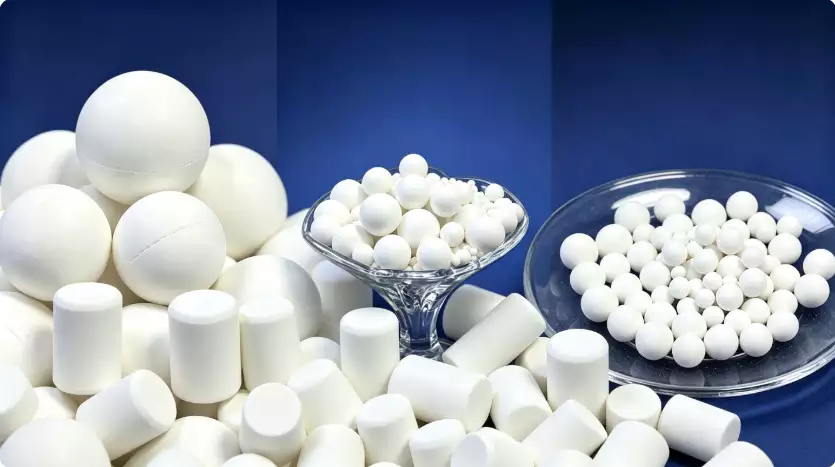
Alumina ceramic grinding balls and matching alumina grinding ceramic cylinders are professional non-metallic grinding media tailored for mining fine grinding. Taking high-purity alumina powder as the core raw material, the products are formed by rolling, isostatic pressing and integral extrusion respectively, and sintered at a high temperature of 1300‑1600°C. Sanxin New Materials provides multiple alumina purity grades covering 60%-85% medium alumina, 92%, 95% and 99% high-purity series, applicable to different mining working conditions. Both ceramic balls and grinding ceramic cylinders reach Mohs hardness close to level 9, with dense internal structure, ultra-low water absorption and excellent overall mechanical stability. Grinding ceramic cylinders adopt integrated cylindrical structure, featuring larger contact area, stronger shear grinding ability and better grading matching performance compared with traditional ceramic balls, making up for the insufficient shear force of single spherical media in ultra-fine grinding. Their excellent physical and chemical properties determine efficient and stable grinding performance in complex mineral processing environments.
High hardness and low wear loss: Vickers hardness reaches 1400‑1600HV. Compared with cast‑steel grinding balls, alumina ceramic balls show far lower self‑abrasion rate, extend media‑replacement cycle and reduce shutdown frequency for grinding‑media addition and screening.
Excellent chemical inertness: Resist erosion from acidic leaching pulp and alkaline flotation reagent environment, will not dissolve or react with mineral‑processing chemical agents, keeping pulp‑system composition stable.
Good spherical precision and bulk‑stacking performance: Reliable roundness ensures uniform point‑to‑point contact inside mills, producing well‑distributed fine‑particle finished mineral powder.
Low‑noise operation: Ceramic‑on‑ceramic impact generates lower decibel noise inside milling chambers, improving on‑site workshop environmental conditions compared with steel‑ball milling.
Alumina ceramic grinding balls and grinding ceramic cylinders are not universal for every milling stage. They are widely suitable for horizontal ball mills, tower mills, vertical stirred mills and sand mills in mineral processing plants. Focusing on secondary fine grinding, re-grinding circuits and ultra-fine mineral powder processing procedures, they are rarely used for primary coarse crushing grinding with extreme heavy impact. In actual mining production, the combined grading use of ceramic balls and grinding ceramic cylinders can give full play to the impact grinding advantage of spherical media and the shear grinding advantage of cylindrical media, greatly improving ultra-fine grinding efficiency. They are generally not recommended for primary coarse‑crushing milling sections that bear ultra‑heavy lump‑ore impact loads, where high‑impact force may cause ceramic media chipping and cracking.
Metal‑bearing ores: Molybdenum ore, iron ore, copper ore, lead‑zinc ore, gold ore and other valuable metal concentrates. In flotation‑oriented processing flows, alumina ceramic balls eliminate iron impurity interference for mineral‑surface floatability, effectively lifting flotation‑recovery indicators.Non‑metallic ores: Kaolin, quartz sand, feldspar, talc, barite, lithium‑series ores. For these non‑metallic mineral resources, ceramic grinding media prevent ferrous contamination and guarantee high whiteness and high‑purity finished‑powder quality, satisfying downstream advanced‑material manufacturing requirements.Grinding‑form adaptability: Wet‑type grinding is the mainstream working‑condition for mining‑grade alumina ceramic balls. Meanwhile, qualified‑grade ceramic grinding media can also serve dry‑type ultra‑fine powder‑making tasks under properly controlled operating parameters.
Traditional chrome‑steel balls and cast‑iron grinding balls continuously shed fine iron particles during milling. Ferrous impurities attach onto mineral‑particle surfaces, change mineral floatability, reduce concentrate recovery rate in flotation circuits. For non‑metallic ore such as kaolin and lithium‑ore raw material, iron contamination will drop powder whiteness and product commercial value. Sanxin New Materials alumina ceramic balls and grinding ceramic cylinders are chemically stable without iron‑element precipitation, protecting pulp‑system purity and improving final‑product economic value.
With Vickers hardness at 1400‑1600HV, alumina ceramic balls and grinding ceramic cylinders possess far slower self‑wear speed than steel grinding media. Service cycles are greatly prolonged. Mining concentrators reduce the frequency of media supplementing and shutdown‑sorting work, improving mill effective running‑hours. Grinding ceramic cylinders have stronger structural stability and lower deformation rate under long-term high-load grinding. Although unit procurement cost of ceramic media is higher than steel balls, total‑cost‑of‑ownership decreases significantly considering media‑consumption, shutdown‑loss and product‑quality‑promotion benefits.
In actual mineral‑processing plants, pulp may contain acidic leaching agents or alkaline flotation chemicals. Steel‑media will gradually corrode and dissolve inside such complicated chemical environments. High‑density sintered alumina ceramic maintains stable performance under both acid and alkaline pulp conditions; it will not be corroded, dissolved or generate extra impurity ions, securing stable pulp‑chemical parameters for downstream separation operations.
Well‑rounded alumina ceramic balls deliver stable impact and shear grinding effects. Output mineral powder features concentrated particle‑size distribution. Meanwhile, ceramic‑media‑based milling lowers workshop noise level compared with steel‑ball working status. For ultra‑fine‑grinding scenarios, it can stably produce micron‑scale mineral‑powder products to satisfy advanced‑material raw‑material standards.
Compared with high‑density steel balls, alumina ceramic balls and grinding ceramic cylinders have moderate density. When running inside stirred mills and fine‑grinding ball‑mill chambers, ceramic media bring gentler impact force against mill liners. This property slows liner abrasion rate and extends service life of mill‑chamber wear‑resistant components, cutting spare‑part replacement expenditure for grinding‑equipment. The matching use of balls and cylinders forms a scientific grading gap, reduces rigid friction inside the mill, and further optimizes liner protection effect.
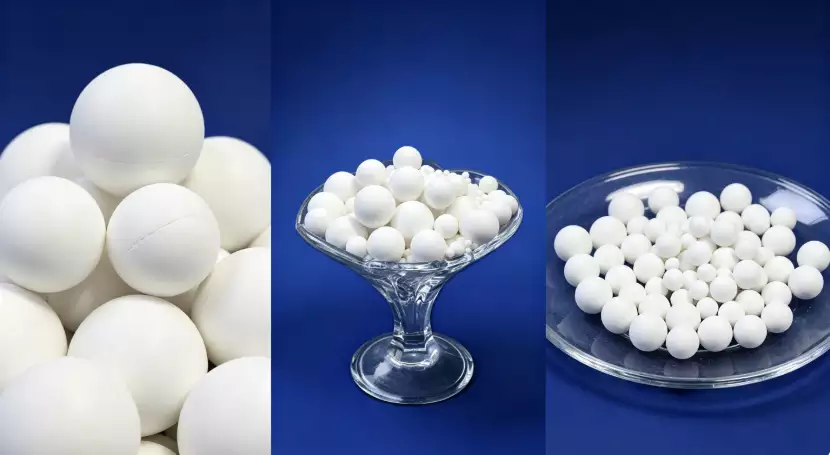
Ordinary non‑metallic‑ore coarse fine‑grinding: choose 65%‑80% medium‑alumina ceramic balls and matching conventional grinding ceramic cylinders for favorable cost‑performance balance.
Molybdenum ore, lithium ore, kaolin and other high‑purity‑powder processing projects: prioritize 92% and higher high‑alumina ceramic grinding balls and grinding ceramic cylinders.
High‑standard ultra‑fine powder‑manufacturing: adopt 95%‑99% high‑purity alumina ceramic balls, micro beads and high-precision grinding ceramic cylinders.
Relatively large feed‑particle size: deploy φ20‑φ40 mm large‑dimension alumina ceramic balls and thick-spec grinding ceramic cylinders for primary fine grinding.
Secondary fine‑grinding and re‑grinding procedures: select φ5‑φ15 mm medium‑and‑small‑size ceramic balls and standard grinding ceramic cylinders with equal diameter-to-length ratio.
Ultra‑fine stirred‑mill grinding: use 0.2‑3 mm micro‑sized alumina grinding beads and slender high-density grinding ceramic cylinders.
Inside actual mill chambers, the mixed grading filling of ceramic balls and grinding ceramic cylinders is strongly recommended. The balls provide impact crushing force while cylinders provide shear grinding force, optimizing stacking density and raising overall grinding efficiency by more than 15% compared with single media.
For mining‑project engineers who require grinding‑media technical consultation and complete‑solution reference, rich engineering documentation is available from wear‑resistant ceramic parts technical resources provided by Sanxin New Materials.
Sanxin New Materials mining‑grade alumina ceramic grinding balls and grinding ceramic cylinders are widely used in multiple core mineral‑processing segments, especially fine‑grinding and re‑grinding links that have strict requirements for pulp and powder purity. The combined application of the two media covers almost all wet and dry ultra-fine grinding scenarios in mining.
Secondary fine‑grinding before non‑ferrous‑metal‑ore flotation and re‑grinding of flotation tailings: Replace steel‑ball media for molybdenum, copper, lead‑zinc and gold‑ore flotation circuits. Remove iron‑contamination disturbance, improve mineral‑surface floatability and lift flotation metal‑recovery efficiency.
Ultra‑fine powder processing of lithium‑bearing minerals including spodumene and lepidolite: High‑purity alumina grinding balls prevent iron impurities from mixing into lithium‑mineral powder, guaranteeing raw‑material quality for downstream lithium‑salt production.
Deep‑processing of high‑purity non‑metallic minerals such as quartz sand, kaolin and feldspar: Satisfy strict whiteness and impurity‑content requirements for ceramic‑raw‑material, coating‑grade and filler‑grade mineral powder products.
Resource‑oriented ultra‑fine grinding of mine tailings: Realize ultra‑fine pulverization of tailing materials for subsequent comprehensive tailing‑utilization workflows.
Ultra‑fine grinding operations matched with mineral‑leaching procedures: Provide qualified fine‑particle‑size feedstock for acid‑leaching or alkaline‑leaching processes, boosting leaching reaction efficiency.
Strictly distinguish applicable milling‑stages: Do not deploy alumina ceramic balls and grinding ceramic cylinders for primary coarse‑crushing milling sections with huge lump‑ore impact force; excessive heavy impact will trigger media cracking and fragmenting. Ceramic grinding media should be restricted to secondary fine‑grinding, re‑grinding and ultra‑fine‑grinding loops.
Match mill‑liner performance: When switching from steel balls to ceramic grinding balls, check mill‑liner material and condition. It is recommended to adopt corresponding wear‑resistant ceramic composite liners to coordinate with ceramic‑media operation, avoiding abnormal liner wear.
Optimize filling ratio and graded‑size proportion: Follow equipment‑manufacturer‑suggested filling‑rate parameters for stirred mills and ball mills. Adopt multi‑diameter graded‑filling scheme, avoid single‑specification over‑filling which will lower grinding efficiency.
Control feeding‑particle‑size upper‑limit: Prevent over‑large hard lump‑ore from entering fine‑grinding mill chambers, to avoid violent point‑impact causing ceramic‑ball breakage.
Periodic inspection and media‑screening maintenance: Regularly inspect ceramic balls and grinding ceramic cylinders status inside mills, screen out cracked, chipped and fragmented media in time. Supplement new ceramic media according to actual media‑loss rate to guarantee stable milling output and particle‑size index.
Global mineral‑processing industries keep pursuing higher metal‑recovery rate, higher‑purity non‑metallic‑mineral products and lower comprehensive‑plant‑operating‑cost. Grinding‑media selection is one key factor that influences production indicators. Conventional steel and cast‑iron grinding media bring prominent hidden‑costs including iron‑polluted pulp, fast self‑consumption, frequent shutdown for media‑maintenance and shortened liner service‑life.Sanxin New Materials mining‑grade alumina ceramic balls and grinding ceramic cylinders deliver comprehensive advantages: zero iron‑contamination, low self‑wear rate, corrosion‑resistance for complex pulp environment, uniform grinding granularity and noise‑reduction performance. The complementary advantages of spherical and cylindrical media solve the problem of insufficient grinding fineness and low efficiency of single grinding media. They serve multiple typical mining‑processing scenarios: non‑ferrous‑ore flotation re‑grinding, lithium‑ore ultra‑fine processing, kaolin‑quartz non‑metallic‑mineral deep‑processing, tailing resource‑re‑utilization and leaching‑supporting fine‑grinding workflows.Plant‑design and operation teams should notice that alumina ceramic grinding balls and grinding ceramic cylinders are not universal‑purpose grinding media. Project teams must evaluate mill‑type, milling‑stage, ore‑hardness, pulp‑chemical‑property and finished‑product‑purity‑requirements comprehensively. Choose proper alumina‑purity grade, ball‑diameter combination and filling‑ratio parameters. When scientifically selected and operated under suitable fine‑grinding‑circuit conditions, alumina ceramic grinding media will improve mineral‑product quality, increase metal‑recovery rate, cut media‑consumption and reduce unplanned downtime, bringing remarkable full‑life‑cycle economic returns for concentrator plants.As advanced mature non‑metallic grinding‑media solutions for modern mineral‑processing, alumina ceramic balls and grinding ceramic cylinders will gain wider adoption across global mining fine‑grinding upgrading and new‑construction‑project markets. Mining‑plant teams looking for grinding‑media upgrade schemes can refer to wear‑resistant ceramic parts for complete solution information and technical‑support channels.

Submit your demand,
we will contact you ASAP.

Sanxin New Materials Co., Ltd. focus on producing and selling ceramic beads and parts such as grinding media, blasting beads, bearing ball, structure part, ceramic wear-resistant liners, Nanoparticles Nano Powder


 English
 English
 Russian
 French
 Spanish
 Portuguese
 Arabic